Moline council adopts broader 'family' definition to allow group homes, 7–1
Loading...
Summary
The City Council voted 7–1 to substitute and approve an ordinance that replaces the zoning code's definition of 'family' with a household‑based definition to accommodate group homes and avoid running afoul of disability law; councilmembers debated enforcement and unintended consequences.
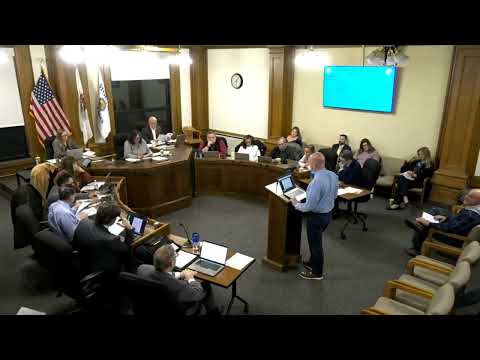
The Moline City Council voted 7–1 to adopt a substitute zoning ordinance that changes how the city defines "family" in its zoning code, a move proponents said will allow people with disabilities and residents of sober‑living homes to live together as a single household.
Councilmember Timmyan moved the substitution, proposing the definition: "Family means 1 or more persons occupying a dwelling unit and maintaining a common household." The substitute was seconded by Finch and passed on a recorded vote. The ordinance as amended also passed 7–1 and is scheduled to return for first reading in two weeks.
City staff said the change grew out of a recent proposal for a group home at 437 39th Street. Chris Mathias, the Community and Economic Development director, told the council the city must ensure its rules do not prevent individuals with disabilities from living together under federal and state definitions. "We were made aware of a group home going into 437 39th Street ... this is going to be a house with 10 male individuals recovering from substance abuse," Mathias said, and noted the Planning Commission gave unanimous support to a code change.
The city attorney urged caution, saying staff prepared multiple approaches and recommended more time to study potential consequences. "I personally believe that what we prepared is the best way. However ... I am a little bit scared by it because I'm just not positive that it addresses everything that it needs to," the attorney said in explaining why he would recommend sending the matter back to the Plan Commission for further review.
Supporters called the existing definition antiquated and exclusionary. "The definition of family that is in our code is a holdover of many historically exclusionary zoning practices," Timmyan said, arguing the change would reduce barriers and help create more attainable housing. Opponents and cautious members warned the new language is broad and could create enforcement questions around overcrowding and health standards.
Councilmembers asked how the change would interact with other parts of the code and whether additional amendments — for example, on boarding houses or nuisance enforcement — might be required. Staff responded that health and safety violations and existing nuisance remedies remain available and that other adjustments could be pursued later if needed.
The council adopted the substitute and the ordinance as amended by roll call votes; staff noted the item will return at first reading in two weeks to allow additional review and provide the Plan Commission and public another opportunity to comment.