
Tentative IAFF Local 648 deal: 3% annual raises, 24-hour shifts, higher EMT stipend and retroactive pay estimated
Get AI-powered insights, summaries, and transcripts
Subscribe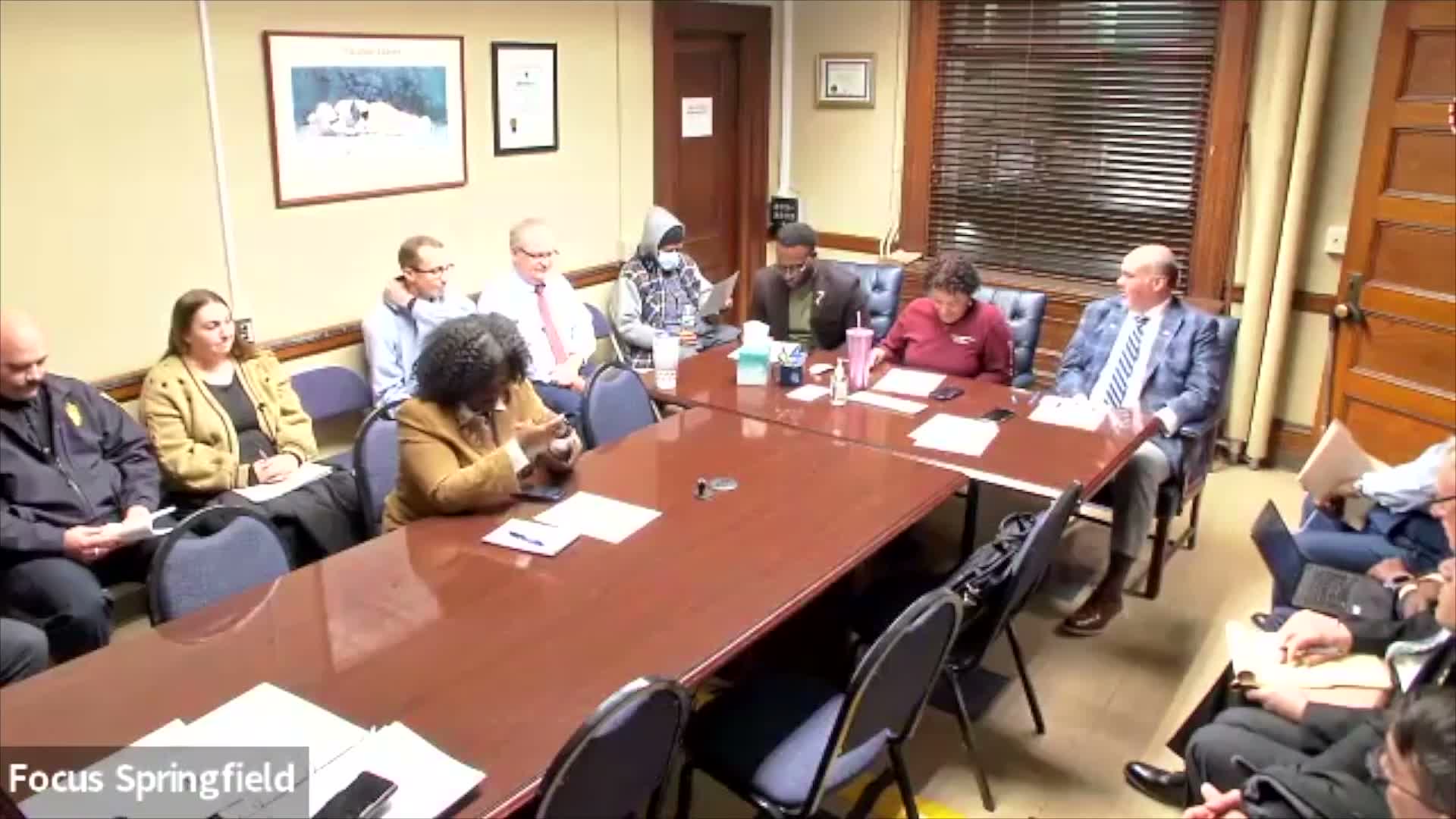
Summary
Labor Relations staff and union negotiators described a tentative two-contract agreement covering July 1, 2024–June 30, 2028, for roughly 257 bargaining-unit members that includes 3% wage increases each year (first two retroactive), a move to a 24-hour shift pattern with no change in total hours, an increase in the EMT stipend from $500 to $1,200 annually, a new assessment center for district‑chief promotions, and an estimated retroactive-payment cost of about $1.3 million.
Labor Relations and union representatives presented a tentative agreement reached with IAFF Local 648 that covers two contract periods and several operational changes for the fire department.
Bill Mahoney, Labor Relations, outlined the agreement and the bargaining history, saying the prior contract expired June 30, 2024, and negotiators completed 11 bargaining sessions and six mediation sessions before reaching a deal. "The wage increases are 3% each year, 3 3 3," Mahoney said, adding that the first two increases are retroactive and that the agreement covers the periods 07/01/2024 to 06/30/2025 and 07/01/2025 to 06/30/2028.
Mahoney described operational changes the parties agreed to: a transition to a 24‑hour shift model while keeping the same total number of hours, an expansion of the EMT stipend from $500 to $1,200 annually to encourage EMT certification, and a new assessment center for promotions to district chief. "We're going to a 24 hour shift... there's no change in the number of hours worked over the period," Mahoney said. He said the department currently has 14 EMTs and expects the higher stipend to increase that number.
Mahoney also noted limited pay provisions for certain roles (a 1% lump-sum annual base pay for holding a valid CDL in the repair division) and that some non-4-and-4 employees (fire prevention and training staff) will move to longer days but remain at a 37.5-hour workweek.
Pat Burns estimated the retroactive pay liability at roughly $1,300,000 and said the city will attempt to cover the cost with salary savings and attrition; Burns said the administration would reserve free cash as a contingency and might return in May for a formal free-cash request if necessary. "Retro is gonna be approximately 1,300,000," Burns said.
Committee members asked detailed questions about the 24-hour shift schedule, sleep/rest rules, overtime implications and whether the schedule increased the city's costs. Union and labor representatives said the schedule is structured to maintain a 42-hour work average over the pay period (or a 42-hour average over an 8-week cycle depending on how the shifts roll) and emphasized expected benefits for worker health by avoiding consecutive night shifts.
The tentative agreement was discussed as an agenda item and included in the consent motion that the committee moved and seconded at the meeting's close; no separate roll-call vote was taken in the meeting record.