City outlines police and fire savings as staffing is reduced; commissioners seek detailed projections
Loading...
Summary
High Springs managers told the commission they expect about $47,759 in one-time police savings and $171,350 in recurring fire savings after reducing shift staffing from five to four. Officials warned overtime impacts are uncertain and said staff will supply more detailed budget and call-volume projections.
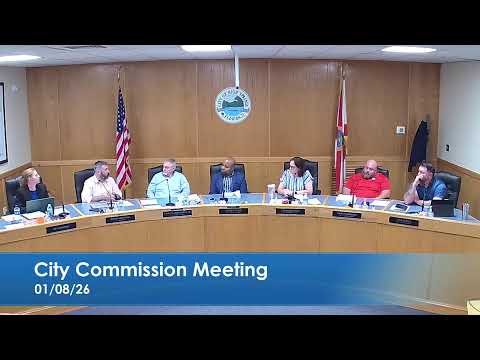
City staff updated the commission Jan. 8 on police and fire staffing and budget measures intended to reduce costs. The manager said holding vacancies in the police department yielded an estimated one-time savings of $47,759, while the fire department reduced staffing from five to four per shift through attrition and a voluntary layoff, producing an estimated recurring savings of $171,350.
Officials cautioned commissioners that overtime costs are uncertain and could offset some savings. Fire leadership and the police chief outlined operational implications: a county contract requires a minimum of four personnel for certain apparatus to retain county reimbursement; the fire chief said the department will rely on part-timers and occasional overtime, and that minimum staffing changes could affect response capacity if multiple simultaneous calls occur. He said part-timers are budgeted for 10 shifts per month but not all part-timers are regularly available.
Commissioners asked for projections that incorporate overtime, call-volume trends and first-quarter data; staff said they can prepare prospective budgets and trend-based projections for presentation at a future meeting. The commission set a tentative discussion of the fire assessment for the second meeting in February and asked staff to provide early public information on any planned assessment increases.
The update concluded with a request that staff return with a more detailed fiscal analysis incorporating overtime estimates and first-quarter call data so the commission can assess whether savings are sustainable and whether service levels will be affected.