
Boyertown Area SD outlines curriculum review, MTSS timeline and requests additional intervention teachers
Get AI-powered insights, summaries, and transcripts
Subscribe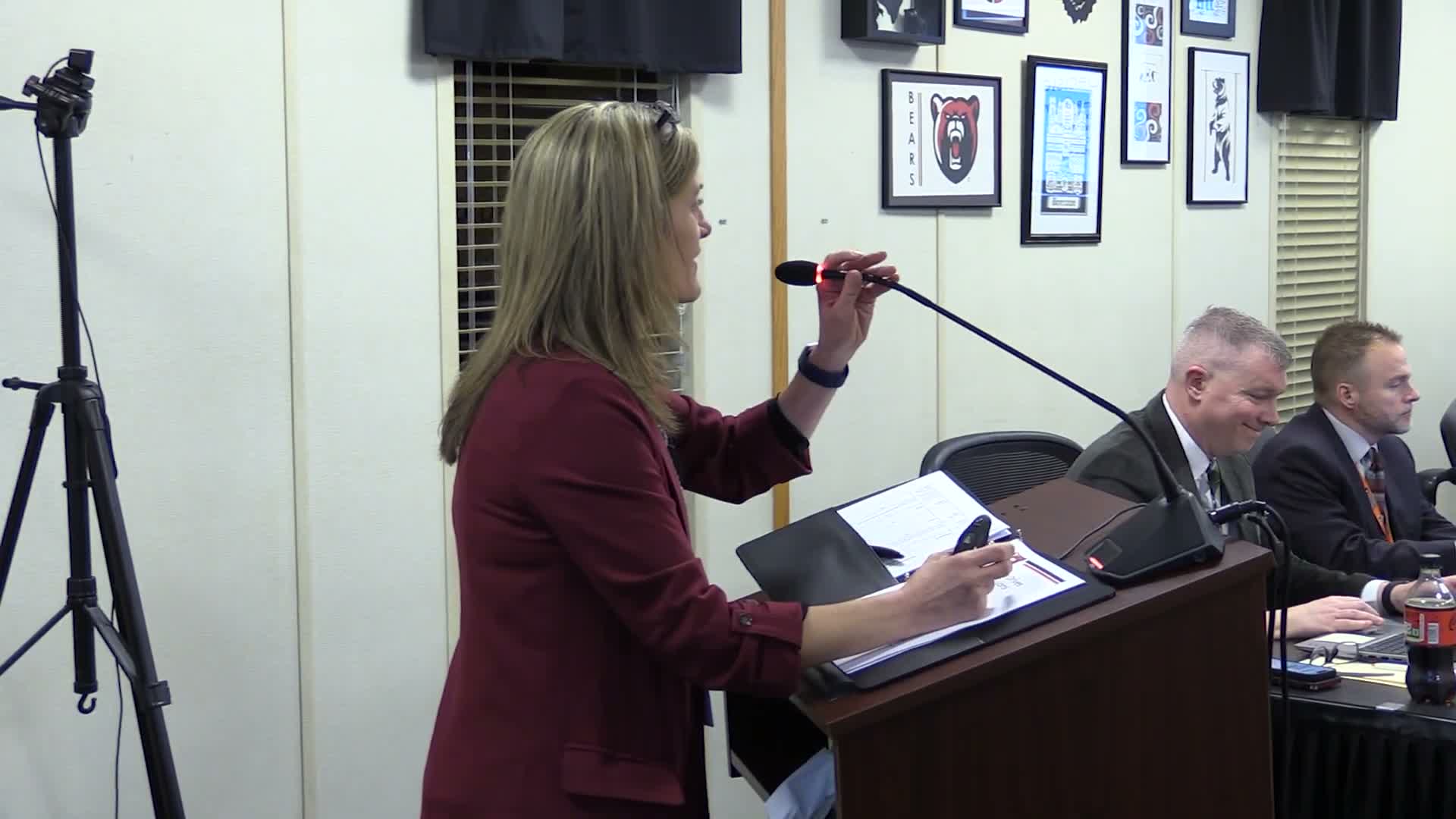
Summary
Boyertown Area SD’s director of teaching and learning told the Education & Student Services Committee the district must adopt an evidence-based ELA curriculum under recent school code updates, implement K–3 screening three times annually and consider adding multiple intervention teachers across a multi-year budget plan to meet a 2029–30 MTSS goal.
Stephanie Petrie, director of the Office of Teaching and Learning for Boyertown Area SD, told the committee during a Jan. committee meeting that the district’s six-year curriculum review cycle is designed to stagger resource adoptions, emphasize data-driven decisions and limit large simultaneous purchases.
Petrie said recent updates to the school code require local education agencies to report current ELA and reading resources to the state, adopt an evidence-based reading curriculum in the 2027–28 school year, identify a lead educator for implementation, provide PDE-approved structured literacy professional learning and complete that learning by 2028–29. “This current school year, all LEA school districts need to report to the state about what current resources we are using for ELA or reading instruction to the department of ed,” Petrie said.
The presentation covered the district’s current assessment tools and how they will inform curriculum and intervention decisions. Petrie said the district used “a DIBELS 8 paper pencil universal screener” last year (the free University of Oregon version) and noted that comparable commercial platforms add recommendations and integrations. She told the committee the state requires a K–3 universal screener three times per year to identify students with reading deficiencies and support development of intervention plans.
Petrie outlined budget implications and staffing recommendations tied to those requirements. She recommended designating an elementary curriculum lead (a stipend she described as $1,150) and said that identifying one elementary lead would amount to a $6,900 investment in 2027–28 as presented. Using MCAS as a cost example, she told the committee that MCAS costs $14.90 per student and that a K–3 rollout would be roughly a $25,330 investment based on the district’s calculations presented to the committee.
Turning to intervention staffing, Petrie described how substitute shortages reduce intervention delivery when interventionists are pulled to cover classrooms. She presented building-level impacts: “At Boyertown, there was 30 school days impacted, which equated 224.775 missed sessions of intervention,” and said Washington experienced “29.4 school days impacted and 254 sessions that got missed.” Petrie said Title I federal funds support reading specialists in title 1 buildings (she listed Boyertown, Coburg, Dale, Earl, Washington, and Middle School West), while the district fund pays for intervention teachers.
To align staffing with the district goal of a fully implemented MTSS by 2029–30, Petrie asked the committee to consider adding three intervention teachers in the upcoming budget cycle (two elementary, one middle), followed the next year by two additional elementary intervention teachers and a middle school intervention teacher, with further hires through 2028–29 so that by 2029–30 the district has substantially increased intervention capacity. “I’d like to request that during this upcoming school year, upcoming budget cycle, we consider adding 3 intervention teachers, 2 at the elementary level and then 1 at the middle school school level,” Petrie said.
During committee questioning, a board member asked whether DIBELS 8 measures comprehension at upper elementary grades; Petrie replied that the reported scores are composites of developmentally appropriate measures and that, by fifth grade, the screener includes components that assess comprehension alongside foundational skills. She also confirmed that IXL diagnostic data are run on a similar triannual schedule and are used to help teachers form groups and guide intervention.
The presentation closed with an administrative note that resource adoption costs for 2027–28 are to be determined and that further budget discussion would follow in the committee’s second meeting; no formal motion or vote was taken. The next Education and Student Services Committee meeting was scheduled for March 10 at 6:00 p.m.