Get Full Government Meeting Transcripts, Videos, & Alerts Forever!
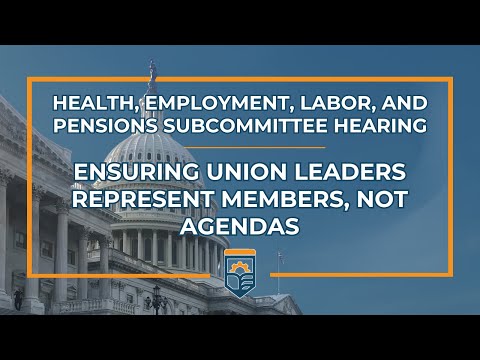
Partisan clash at LMRDA hearing: GOP pushes member‑vote and secret‑ballot bills, Democrats say the effort targets unions
Summary
Members traded sharp exchanges over bills that would guarantee member ratification votes and secret‑ballot officer elections; Republicans said the measures restore member control, Democrats called the hearing an attack on unions and urged enforcement against employers and consultants.
A sharply divided House Education and Labor subcommittee exchanged partisan arguments over bills that would alter how unions make major decisions.
Republican members and some witnesses argued statutory guarantees — requiring member ratification of collective bargaining agreements, secret‑ballot officer elections and member authorization for strikes — would restore democratic control to rank‑and‑file workers. Representative (identified in the…
Already have an account? Log in
Subscribe to keep reading
Unlock the rest of this article — and every article on Citizen Portal.
- Unlimited articles
- AI-powered breakdowns of topics, speakers, decisions, and budgets
- Instant alerts when your location has a new meeting
- Follow topics and more locations
- 1,000 AI Insights / month, plus AI Chat