Get Full Government Meeting Transcripts, Videos, & Alerts Forever!
Get email alerts on the Council Appointment topic
No spam. Unsubscribe anytime.
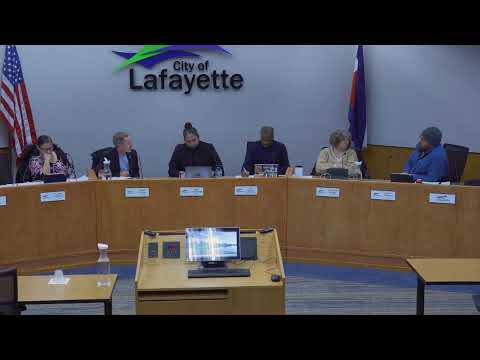
Lafayette council appoints Kyle Bollier to fill vacancy after public endorsements and interviews
Summary
After interviewing four finalists and hearing public comment, Lafayette City Council voted 5–1 to appoint Kyle Bollier to the seat left vacant by the former mayor’s resignation. Councilors cited Bollier’s interview performance, recent election showing and public support as reasons for the appointment.
Lafayette City Council voted 5–1 to appoint Kyle Bollier to the council vacancy created by former Mayor J. D. Maungeltz’s resignation. The appointment followed a special meeting in which the council interviewed four finalists and then heard public comment that heavily favored Bollier.
Bollier told the council in a 30-minute interview that the council’s primary roles include legislative decision-making, quasi-judicial duties and serving as the community’s voice, and emphasized coalition-building and preparedness for wildfire and other climate risks. “Nothing else matters that Lafayette does if our town burns down,” Bollier said, framing wildfire hardening and improved emergency alerts as the city’s top priority.
During public comment, multiple Lafayette residents urged councilors to choose Bollier. Vicky Uland, who said she had followed candidates closely, told the council Bollier had impressed her with how quickly he educated himself about city plans and processes. Other speakers echoed that he had strong community outreach and nearly won an election for the fifth seat in November, which supporters cited as evidence of voter backing.
Council discussion cited several factors in favor of Bollier: the breadth of his knowledge shown during the interview, a string of public endorsements and his near-election finish. Councilor Giotto moved to appoint Bollier; the motion was seconded and passed by voice vote, recorded in the meeting as 5 in favor, 1 opposed. The council did not record an individual roll-call vote in the public audio.
The council’s packet and the interviews also raised recurring policy themes—wildfire and emergency preparedness, modernization of the land-use code to address resilience and housing, and investments in transit—areas Bollier said he would prioritize. Several councilors noted other candidates’ strengths as well, including business and operations experience and community ties, and encouraged non‑appointed applicants to remain engaged with council work.
The motion to appoint Bollier was made and seconded during the council’s final deliberations; the mayor announced the motion passed 5–1 and adjourned the meeting. The council did not specify a date for swearing in on the public record during the meeting; next procedural steps for administration of the oath and assignment of liaison duties were not stated in the minutes.
The council’s decision follows a public interview process established to fill the vacancy and reflects both the interview assessments and the stream of public comment submitted during the appointment period.