Lifetime Citizen Portal Access — AI Briefings, Alerts & Unlimited Follows
Jacksonville debate sharpens over proposal to cut stray-hold from six days to three
Loading...
Summary
City shelter staff and community members clashed over a proposed ordinance to shorten the stray-hold period from six days to three and to broaden enforcement language on tethering and outdoor sheltering; council requested comparative data before committee review.
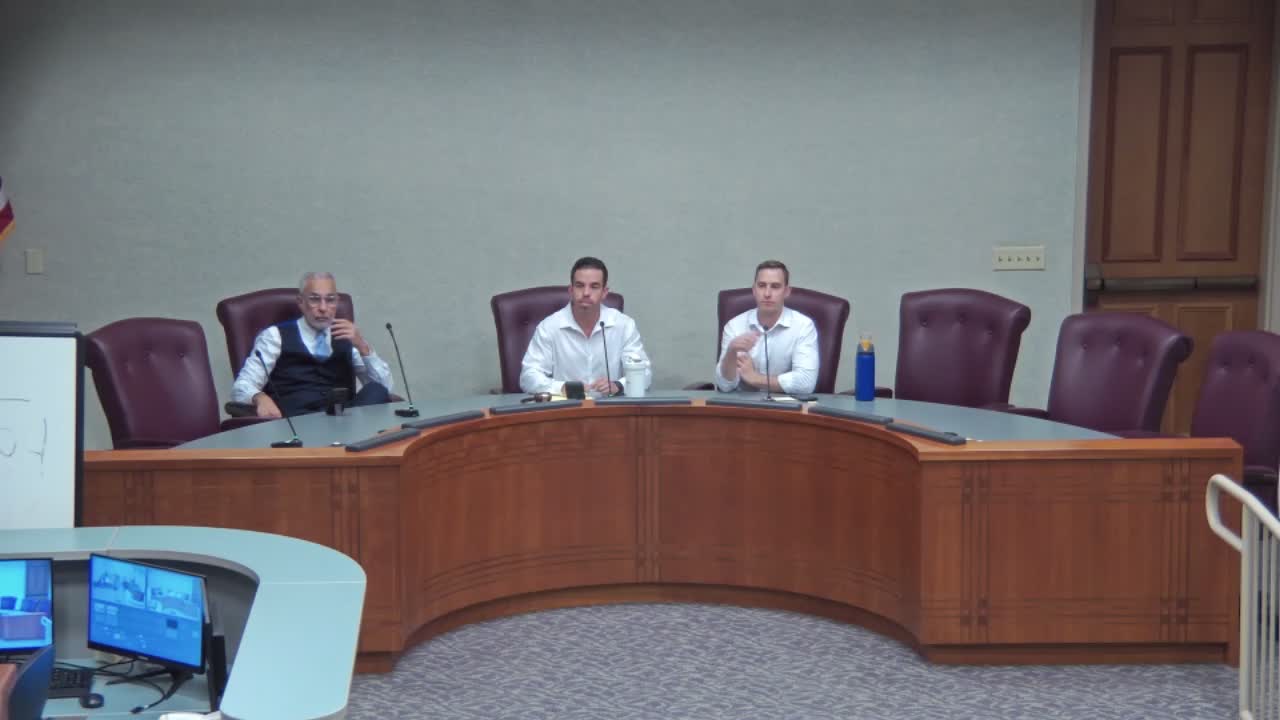
City staff and residents on Thursday revisited a proposed animal ordinance that would shorten Jacksonville’s stray-hold period for animals without identifying tags or microchips from six days to three and simplify rules about outdoor tethering and dog houses.
Bricker, a shelter official leading the presentation, said the proposal is intended to reduce overcrowding and get animals back into homes faster. “Sixty-seven percent of our dogs that do get reclaimed by owners… it happens within the first three days,” he said, arguing the shorter hold “helps out with overcrowding” and lets staff focus on animals most in need.
The proposal would also remove a technical measurement standard for dog houses (three solid sides, roof, solid floor) and replace it with language allowing officers to determine whether an animal is protected from the elements. Bricker said the change is meant to give officers a practical enforcement tool so they can “take that dog off the chain right now” if conditions pose a danger.
Community members and volunteer advocates strongly pushed back on the proposed three-day hold. Vicky Nelson, a volunteer with the Lost Pets of Jacksonville Facebook group, warned that mandating microchipping or shortening hold times without broad public adoption could leave owners unable to find pets. “It’s too late when they get to the shelter and they’re not microchipped,” she said, and recommended a citywide education and microchipping campaign before any mandate.
Karen Haight of Lost Petz at Jacksonville said the additional 72 hours many owners seek after an adoption matters to families: “That 72 hours is crucial because we reunite after 4 or 5 days,” she said, urging home-stray-hold and foster hold options instead of rapid adoptions that could later be reversed.
Shelter staff acknowledged the tension and described mechanisms they already use to reunite animals, including fostering, prepaying surgeries for animals in foster-to-adopt placements, and daily outreach via social media. Staff also cited internal figures showing return-to-owner rates fall sharply after the first few days and pointed to national no-kill guidance that supports shorter stays to reduce stress, disease and euthanasia risks.
Councilman Rob Arias closed the meeting by asking staff and community advocates to provide comparative data from other Florida counties and shelter metrics by Friday so that the committee could review the evidence before Monday’s meeting. No formal vote was taken; the proposal remains under committee consideration.