Get Full Government Meeting Transcripts, Videos, & Alerts Forever!
Get email alerts on the Enterprise Technology Services topic
No spam. Unsubscribe anytime.
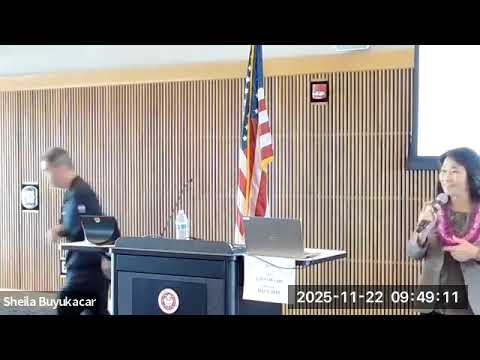
Students demo ETS web portals to standardize state project reporting
Summary
College teams presented multiple prototypes for an ETS (Enterprise Technology Services) vendor-reporting portal that standardizes monthly reports, offers vendor autofill, admin approval and public-facing exports, plus accessibility features such as dark mode and text resizing.
Several college teams presented web applications designed to standardize reporting for the Office of Enterprise Technology Services (ETS). Their prototypes aimed to make vendor monthly reports easier to submit, review and publish.
Common features shown included: a vendor portal to create and submit standardized reports, admin dashboards for ETS employees to approve or reject submissions, autofill that converts vendor PDF reports into the state-required form, and export tools that retain archived records. Presenters also highlighted accessibility options—text resizing, dark mode—and analytics dashboards that overlay multiple reports for comparison.
One team demoed a form-builder that lets ETS staff or vendors add fields without custom engineering, while another showed a version-control workflow in which a report moves from draft to pending and then to published after admin approval. Presenters positioned the systems as tools to increase transparency and reduce time spent reconciling differently formatted vendor documents.
Why it matters: ETS manages large state IT projects and receives varied vendor reports; standardization can improve public transparency and reduce administrative friction. Teams suggested their portals would produce consistent, auditable records for both ETS staff and the public catalog.
Limits noted: Presenters said file-upload and chart capabilities existed but some advanced features (wider file-type support, dynamic regulatory updates) would require further development. Judges pressed teams on how the apps would adapt to changing rules and integrate with existing ETS systems.
Next steps: Teams sought beta testers within ETS and offered to work with sponsors on security, encryption and integration with state authentication systems.