
State health officials: 35 histoplasmosis cases identified near Thompson Station and Spring Hill
Get AI-powered insights, summaries, and transcripts
Subscribe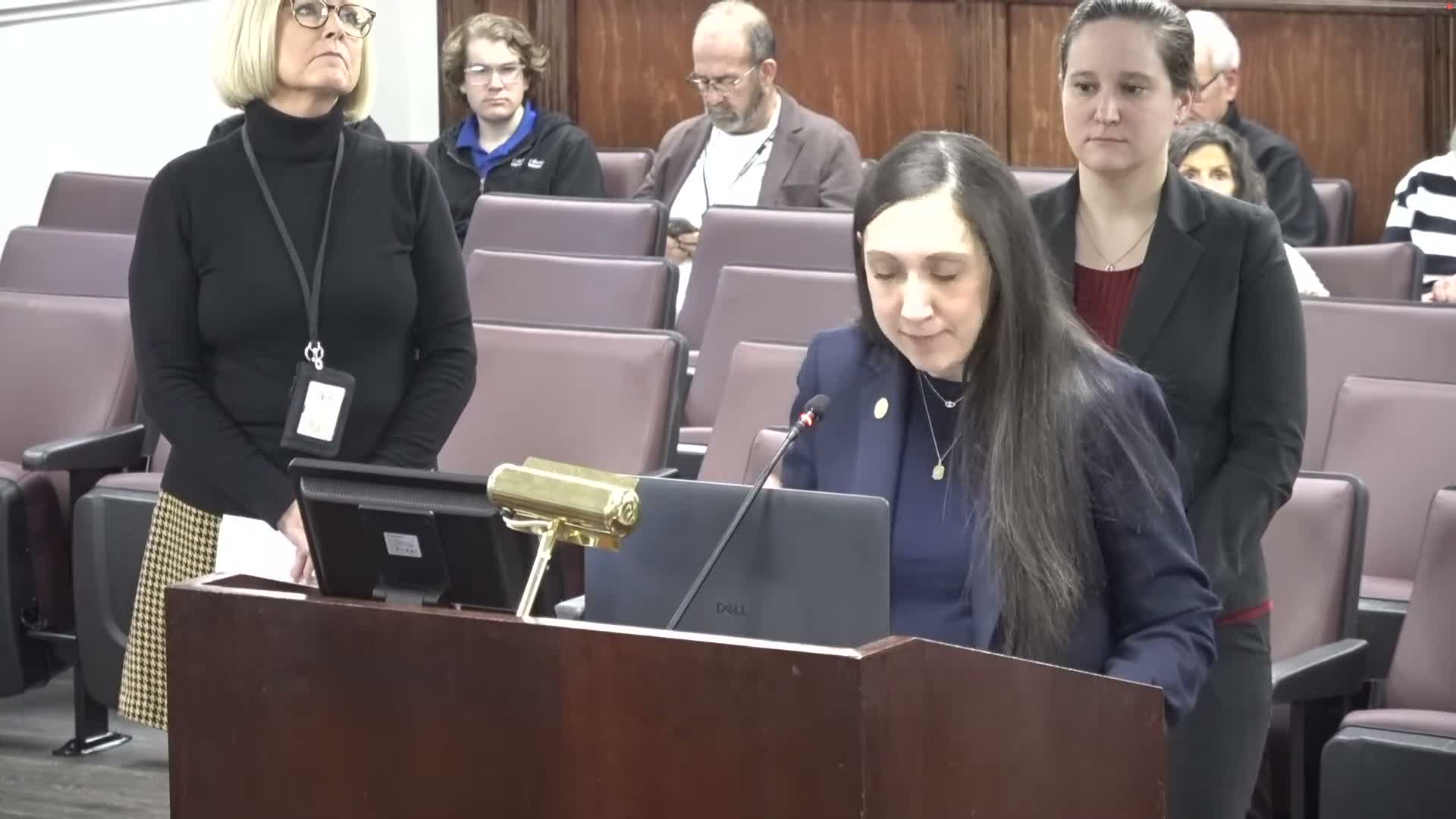
Summary
Tennessee Department of Health investigators reported a cluster of 35 histoplasmosis cases around the Williamson–Murray county border (Thompson Station/Spring Hill). No single source has been identified; officials advise limiting soil‑disturbing activities and said most cases are mild.
State epidemiologists briefed the Williamson County Board of Commissioners on Jan. 12 about an ongoing investigation into a cluster of histoplasmosis cases in Thompson Station and Spring Hill.
Dr. Mary Margaret Phil, state epidemiologist, and her colleague Dr. Emma Taylor Salmon told the commission that as of Jan. 9 the Tennessee Department of Health had identified 35 cases in the Murray and Williamson County area. The cases are tightly clustered along the county border; the earliest surge of illness dates to late September and early October, the presenters said.
Dr. Taylor Salmon described histoplasmosis as a fungal infection (Histoplasma capsulatum) that lives in soil, particularly soil contaminated with bird or bat droppings, and typically causes respiratory symptoms similar to a cold or flu. Most people exposed do not become symptomatic; roughly 1% of exposed people develop symptoms severe enough to seek care, and people with weakened immune systems are at greater risk of severe or disseminated disease.
The state has conducted outreach to clinicians and issued a Tennessee Health Alert Network notification to raise awareness for diagnosis and reporting. Investigators have interviewed patients to identify common exposures in the three weeks before symptom onset; June Lake and construction activity were reported by some interviewees but investigators said they have not identified a single common source. Dr. Phil said patient address dots on the state’s map represent home addresses for most cases, but some interviewees work or otherwise spend time in the area and were included for that reason.
On treatment, the state said most mild cases do not require antifungal therapy; antifungal medications are available for severe disease and hospitalization is necessary for some patients. The presenters said some patients have been hospitalized and some critically ill but emphasized that most infections are self-limited.
Commissioners pressed for details: Commissioner Hayes asked whether most patients are teenagers; the state replied that the median age is about 50 and the majority of cases are not adolescents. Commissioners also asked whether a fatality was confirmed; state investigators said they were reviewing records to establish cause of death where decedents were reported, and at the time of the briefing had not confirmed that histoplasmosis was the direct cause of any death.
The state recommended that residents limit activities that disturb soil in affected areas, follow safe practices when cleaning chicken coops or similar tasks, and that individuals at high risk (older adults or immunocompromised people) consider protective masks during high‑risk activities. The Tennessee Department of Health and local health departments will continue interviews, outreach and follow-up reporting and will return to update the board if new specific actions are recommended.
That briefing concluded with commissioners thanking the state team; no formal actions or emergency orders were taken at the meeting.