
House committee told to deepen oversight of agency budgets as presentations change
Get AI-powered insights, summaries, and transcripts
Subscribe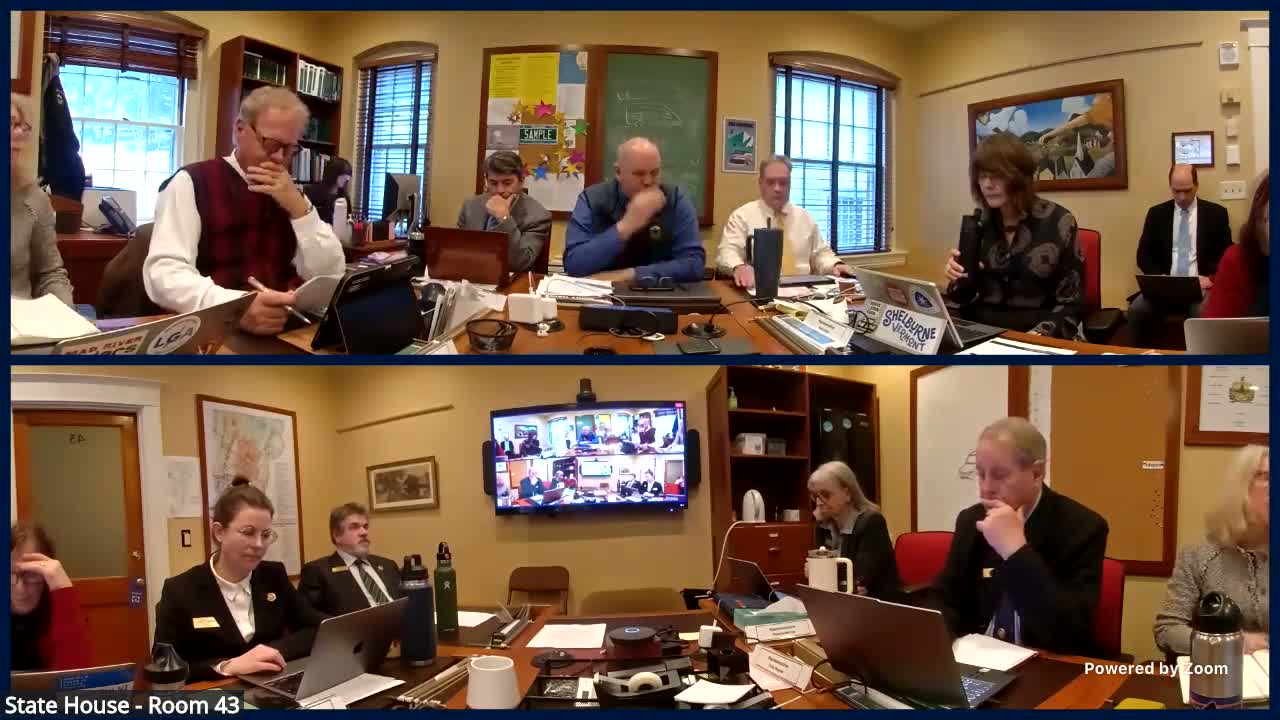
Summary
Committee leaders said members should press agencies on program goals, measures and staffing during upcoming budget hearings; leadership provided a checklist and warned agencies may be sent back for missing information.
Unidentified Speaker 1, the meeting moderator, told the committee on Jan. 15 that leadership has instructed committees to demand more detailed budget presentations from agencies, including last year's budget, employee counts, core activities and measures of program success. The guidance, issued at a chairs-and-vice-chairs meeting hosted by Appropriations Chair Robin Chai, may change the format and availability of traditional briefing materials such as the "black book."
Why it matters: The committee combines policy and appropriations responsibilities for the Agency of Transportation and the Department of Motor Vehicles; deeper review of program goals and spending could affect future funding decisions and oversight practices. Members were told the speaker's office expects committees to ask more probing questions, and that agencies may be asked to return quickly with additional data if initial presentations are incomplete.
Unidentified Speaker 1 said members will receive a circulated memo of suggested questions and that the Joint Fiscal Office and appropriations staff will provide an updated checklist for use in hearings. "You should not be hesitant to ask to dig into the success of a program," the speaker said. Representative White said she "very much welcome[s] this direction" and asked whether the committee will receive comprehensive lists of projects and programs to inform questioning.
Committee members agreed oversight need not be confrontational. One participant responded to the recap by saying, "You hit the nail on the head," as members acknowledged the need to balance scrutiny with constructive relationships with agency staff.
Practical next steps: The committee plans to begin formal budget hearings next week with a secretary's address delivered via Zoom, followed by department-by-department presentations organized by program tabs (administration, planning, aviation, rail, highway, bridges, town highway money). Members were told to expect longer days and to use the forthcoming question checklist to track follow-ups. The meeting closed with a reminder that asking for additional information does not guarantee a change in appropriation but does strengthen oversight and accountability.