Granite Falls schools to replace 65 water fixtures after lead tests; state awards $70,000 grant
Loading...
Summary
District testing of 289 drinking/cooking outlets found 75 locations above 5 parts per billion of lead; the state approved a $70,000 grant to replace roughly 65 fixtures and pay a contractor to complete work with re-inspection required before certifying mitigation.
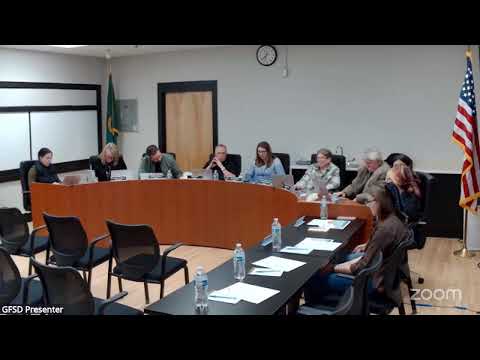
The Granite Falls School Board heard on Jan. 14 that district water testing found elevated lead levels at multiple outlets and that the state has approved $70,000 to replace affected fixtures.
Marshall Cruz, presenting the business report, said the district partnered with the Washington State Department of Health to test 289 outlets across Granite Falls School District. "We had 75 come back with levels above 5 parts per billion," Cruz said, adding that two outlets exceeded the action level of 15 parts per billion and that many of the affected outlets were fixtures the district does not routinely use.
The 5 parts-per-billion figure Cruz called the state’s "gold standard;" he described a regulatory framework that requires districts to test all water outlets that can produce drinking or cooking water by June 30, 2026. Cruz said the district classified roughly 10 high-result outlets as rarely used "pot fillers" and immediately decommissioned them. For the remaining fixtures, he recommended fixture replacement as the most effective remediation.
Cruz said the district estimated the work would cost $70,000 and that it applied for state funding. "Almost the next day, they approved the grant and said you can have the $70,000," he told the board. Cruz said the grant covers ordering a variety of replacement fixtures to match unique plumbing at each school and hiring a plumbing contractor to perform installations, which the district expects to schedule during winter or spring break to limit disruption.
Board members asked for specifics on scope and outreach. When asked whether the $70,000 covers fixing 65 faucets, Cruz replied, "We're fixing 65." He also said the state provides a template letter for notifying families and that the district will use email in addition to posted notices. After fixes are complete, Cruz said the district must have re-inspection to confirm lead levels are at or below the target standard and then submit a formal template report for board approval, followed by periodic re-testing every five years.
The district’s action plan combines decommissioning unused fixtures, replacing in-use fixtures above recommended levels and communicating results and remediation steps to staff and families. The board did not take a formal vote on a local expenditure at the meeting; Cruz said the state grant would fund the immediate work and that the board would later review the formal remediation report required by the Department of Health and OSPI.
What’s next: fixture orders, contractor scheduling (targeted for school breaks), re-inspection, and a formal remediation report to the board and state agencies.