Get AI Briefings, Transcripts & Alerts on Local & National Government Meetings — Forever.
Town hears BearWise presentation; staff recommends education, ordinances and low‑cost trash retrofits
Summary
A BearWise biologist told Woodfin's PACE committee that securing attractants and targeted outreach can reduce bear conflicts; she recommended mirroring Buncombe County ordinances, piloting certified trash‑strap retrofits (~$45 each), and using social media and TextMyGov alerts this spring.
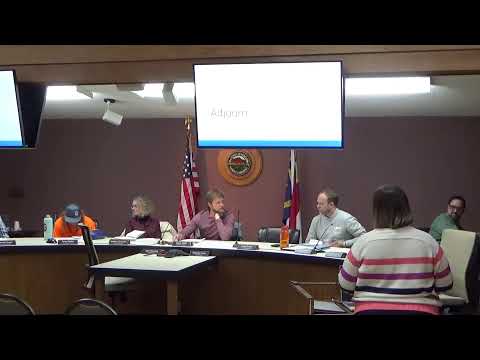
Ashley Hobbs, a biologist with the North Carolina Wildlife Resources Commission and the state BearWise program, told the Town of Woodfin PACE committee on Jan. 14 that the agency’s goal is to help people coexist with black bears and reduce public‑safety incidents. "When we do that, we put ourselves, our pets, and the bears themselves at risk," Hobbs said, emphasizing that many local bear calls are tied to unsecured trash and other human attractants.
Hobbs described BearWise’s recognition program and its "6 BearWise basics," and said communities can either seek full recognition or adopt elements of the program on a case‑by‑case basis. She recommended that Woodfin consider mirroring Buncombe County and City of Asheville ordinance language on wildlife feeding and trash, noting the Town of Highlands has used similar language successfully.
On enforcement, Hobbs cautioned that county and state resources are limited; she said Buncombe County’s ordinance typically begins with a warning, escalates to fines and, in severe cases, can reach criminal misdemeanor penalties. "We don't relocate them. We have to put them down," Hobbs said when describing the limited options for bears that become habituated to people and property.
For practical mitigation, Hobbs recommended low‑cost retrofits and outreach. She identified a certified, bear‑resistant trash strap marketed at about $45 per kit as an effective retrofit and described donation or pilot programs to get straps into neighborhoods. Hobbs suggested cost‑share or pilot installations (for example, volunteer or community installation events) rather than requiring every resident to buy new carts.
On communications, Hobbs offered turnkey resources (bearwise.org PDFs, Spanish translations, short videos on YouTube) and suggested the town use existing channels—social media, an enlarged website banner, the biannual newsletter and targeted Nextdoor posts—to alert residents as the active season begins. Staff noted the town now subscribes to TextMyGov and could send an advisory text; a committee member proposed a motion recommending a TextMyGov blast in March, though staff said they can send alerts without a formal motion.
The committee agreed on a mix of education, targeted outreach to rental properties and consideration of ordinance language; Hobbs urged starting before conflicts climb, saying some communities that delayed action have since struggled to catch up. The committee expects to report back with recommended outreach steps and possible pilot retrofits at the next meeting.