Get Full Government Meeting Transcripts, Videos, & Alerts Forever!
Get email alerts on the Venezuela Foreign Policy topic
No spam. Unsubscribe anytime.
Program clips accuse Stephen Miller and allies of steering aggressive policy toward Venezuela and of ties to Honduran projects
Summary
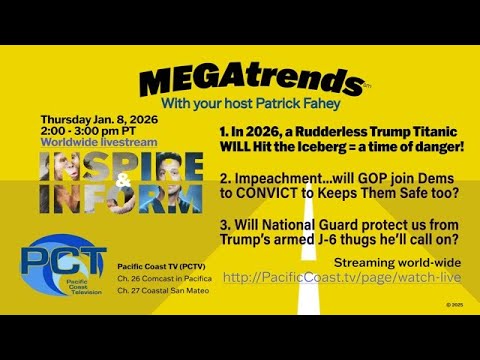
Megatrends aired pre-recorded segments and commentary alleging Stephen Millers influence on policy toward Venezuela, tying it to deportation plans and to private projects in Honduras, and aired Max Blumenthals critique of opposition actors.
Megatrends aired a narrated clip asserting that Stephen Miller, typically described as a domestic immigration adviser, "became the one who drafted the classified directive authorizing the military to use lethal force" and helped lay groundwork, the clip said, for using U.S. force against Venezuela.
The clip framed those developments as part of a larger push, saying Miller explored invoking the Alien Enemies Act and oversaw plans the narrator described as bombing operations in the Caribbean. The program introduced the clip by saying it showed who "was standing behind Trump" during a Venezuela press conference and identified other officials shown nearby.
Fahey linked that narration to a separate segment about Prospera, a private Honduran economic zone the program described as backed by tech investors such as Peter Thiel and alleged to be a strategic interest tied to regime-change aims. A satirical-style clip presented a mock statement attributed to a former Honduran president describing a Trump pardon and alleged links between pardons and protection for private projects.
The program also aired a Max Blumenthal clip that accused some Venezuelan-opposition figures of coup plotting and of connections to U.S. corporate or mercenary networks. Blumenthal cited past U.S. covert operations and alleged some opposition leaders have been involved in violent actions and corruption.
These claims were presented on the program through narrated clips and journalistic commentary. The program did not produce documentary evidence on-air to prove classified directives or legal invocations cited in the narration; presenters and clips framed the material as investigative or interpretive reporting and opinion.
The broadcast linked these foreign-policy claims to domestic politics and urged listeners to consider the political and economic interests at stake.