North Bend council affirms pro-development stance while weighing Port of Coos Bay rail and bridge impacts
Loading...
Summary
City councilors reiterated support for economic development tied to the Port of Coos Bay project but raised immediate concerns about a rail bridge outage, increased truck traffic and the need for fuller public information on feasibility, jobs and environmental mitigation.
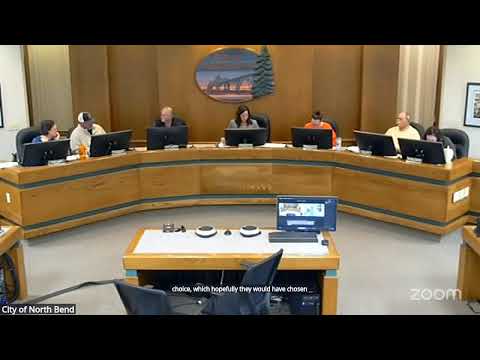
North Bend city councilors used a work session Tuesday to review public materials about Port of Coos Bay railroad operations and discuss potential downtown and waterfront impacts, while residents urged more transparency and skepticism about the port project's economic claims.
Ken Bonetti, a North Bend resident, told the council it would be “unwise and unfair” to support the PCIP without broader public debate and clearer evidence. He said many promoter claims — particularly employment estimates — “have not been substantiated,” and asked the council to examine environmental impacts and effects on neighborhoods along the rail line.
Christine Moffett, chair of the Natural Resources Committee of the Coos County League of Women Voters, provided written materials and a recording of a Nov. 19 public presentation. She said the event’s moderator had "mistakenly introduced mister Bridal as a Union Pacific consultant," clarified the presenter’s background and asked councilors to review the recording and biographies the League supplied.
Staff briefed the council on the port’s public meeting and described financial pressures at the port, saying the port has been subsidizing shipper rates and faces operational strain. Councilors focused on two immediate, local problems: a bridge that is currently limiting rail crossings and the potential rerouting of rail unloading that could add truck trips through North Bend.
“Before this all happened, there was 350 trucks a day that run down Transpacific Highway to serve Southport,” one councilor said in describing how unloading trains on the far side of the bridge would translate into roughly 350 additional truck trips per day into North Bend, with attendant emissions, road wear and traffic impacts.
Councilor Hamilton and others framed the port project in the context of long-term economic decline, arguing the project could create jobs and help sustain local institutions such as the hospital. At the same time, councilors asked the port and county for more detailed information about specific impacts on North Bend businesses and infrastructure and whether the city should provide letters of support for any port grant requests.
City staff said the municipality has no regulatory jurisdiction over port operations but can communicate local concerns to county officials and the port, and the council reiterated a general pro-economic-development stance while asking staff to forward commissioner inquiries to the port and return with any substantive information.
The work session yielded no binding vote or formal action on the port project. Councilors agreed to have staff and the city manager communicate the council’s views back to County Commissioner Drew Farmer and to continue monitoring the port’s public materials.