Get Full Government Meeting Transcripts, Videos, & Alerts Forever!
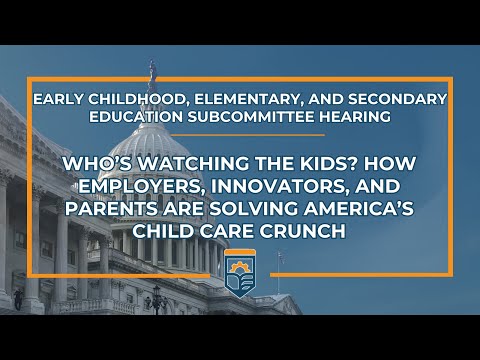
Subcommittee debate centers on role of federal funding, tax credits and recent administration actions on childcare funding
Summary
Lawmakers and witnesses debated whether employer tax credits and private partnerships can substitute for federal investment, and raised alarms about an administration move to rescind a rule that capped family co‑payments and recent attempts to freeze billions in childcare funds amid fraud allegations.
Bipartisan testimony at a House subcommittee on early childhood framed employer involvement as a valuable complement to federal programs but not a substitute for sustained public investment. Ranking Member Bonamici and several Democratic members argued that employer benefits alone cannot increase community supply of seats or raise wages broadly and advocated for the Child Care for Working Families Act as a comprehensive federal solution.
Witness Amy K. Matsui testified that a Trump administration‑proposed rollback of a 2024 rule…
Already have an account? Log in
Subscribe to keep reading
Unlock the rest of this article — and every article on Citizen Portal.
- Unlimited articles
- AI-powered breakdowns of topics, speakers, decisions, and budgets
- Instant alerts when your location has a new meeting
- Follow topics and more locations
- 1,000 AI Insights / month, plus AI Chat