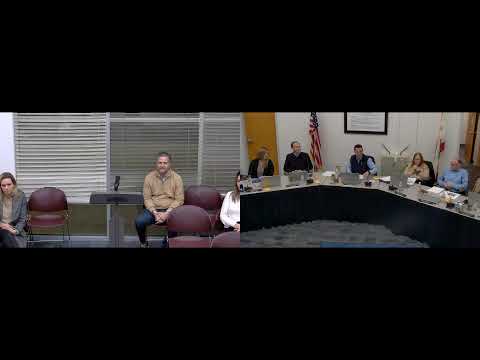
Eureka Union trustees review $50.5M facilities master plan, consultant highlights funding pathways and safety priorities
Loading...
Summary
Consultant Brian Whitmore presented an informational facilities master plan that prioritizes site safety and interior upgrades, estimates roughly $50.5 million in needs (about $73.6M with contingencies), and recommends pursuing a future bond plus state matching funds; board and public questioned fencing types, costs and timing.
At the Eureka Union Board of Trustees meeting, consultant Brian Whitmore of Studio W presented an informational draft of a facilities master plan that identifies prioritized repairs and upgrades across district sites and outlines potential funding approaches.
Whitmore told the board the planning process began in March with a facility site committee and multiple site visits, and that priorities that rose to the top were site safety and security, interior environment upgrades, exterior repairs and replacement of aging portables. He said the district’s preliminary inventory of needs across campuses amounts to about $50.5 million in today’s dollars and that "with contingencies escalation and soft costs, that comes up to about $73,600,000." (Brian Whitmore, Studio W.)
Why it matters: the plan is intended to help the district align project priorities with potential funding sources, including a possible future general obligation bond and state modernization matching funds that often require local matching dollars. Whitmore said the district’s estimated bonding capacity is about $48,000,000 and described typical phasing if a bond were placed in 2026 and sold in two tranches in 2027 and 2029.
Whitmore outlined the state match structure and project phasing: he said qualifying for state modernization funding generally requires 40% local match and 60% state funding and that some projects will require Division of the State Architect (DSA) approval. "In order to have DSA approved projects, you've gotta have funding to start to hire teams to put those plans together, and get those agency approvals," Whitmore said.
Site examples and cost estimates: the presentation included campus‑level estimates and examples of likely work. Whitmore cited Excelsior at roughly $3.3 million; Green Hills at about $17.1 million; Maidu at about $8.8 million; Oak Hills about $14.4 million; Cabot around $5.2 million; Olympus roughly $4.4 million; various needs at Eureka School and Olive Ranch; and modest upgrades at the district office (about $765,000). He said the district will likely have an "unfunded list" of desirable projects beyond bond and state funding.
Asset management and long‑term options: Whitmore urged the board to consider asset‑management strategies for underused leased or newer facilities. He noted Olive Ranch is a leased facility that currently is underutilized and suggested options districts use elsewhere—such as consolidation, redevelopment or surplus sale—could generate revenue for larger projects over time.
Board and public questions focused on fencing, security and costs. A parent, Jessica Kearns, said some campuses—specifically Oak Hills and Ridgeview—were not shown to receive fencing and described recent security incidents that heightened parental concern. Whitmore said types of fencing vary by context (chain link at rear yards, ornamental metal up front) and recommended at least 6‑foot fencing where appropriate, but cautioned that gates, ADA access, kick panels, locking and panic hardware and DSA requirements can substantially raise costs.
Next steps: Whitmore said the presentation is informational and that staff intends to deliver a final draft for board adoption in February and to share the plan with the community from March onward. He recommended the district pursue available state modernization funding where projects meet DSA requirements and begin non‑DSA work sooner if a bond is passed.
The presentation did not include a board vote; the master plan was presented for feedback and further refinement ahead of a February adoption timeline.