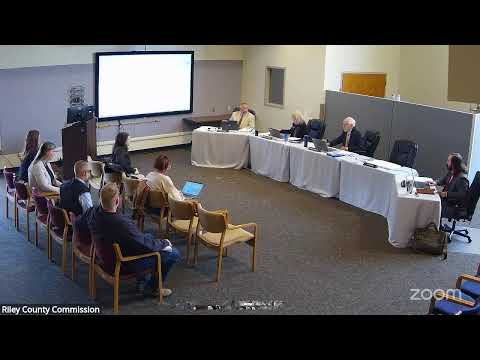
Riley County weighs shifting driveway inspections to emergency management to speed approvals
Loading...
Summary
Riley County planning staff proposed having Emergency Management staff perform most on-site checks of new (non‑agricultural) driveways to speed permitting and aid emergency access; commissioners asked for more detail and education before any code change.
Riley County planning officials on Jan. 15 told commissioners they are considering a procedural change that would let Emergency Management staff perform most on-site driveway checks for new non‑agricultural driveways, instead of relying solely on the County Engineer or Public Works.
Planning Director Amanda Webb said the county’s driveway standards "only apply to new driveways," and described a practical review process used by emergency services to confirm vehicle access on relatively flat sites and consult Public Works on slope or pavement questions. Webb asked the board whether it was comfortable with modifying who conducts field verifications and said the change would be limited to non‑agricultural, newly developed lots.
The proposal responds to timing and capacity issues: Webb told the board staff from EMS, Emergency Management, Public Works and planning met and agreed the standards remain important but that Emergency Management could do much of the ground‑level verification (for example, driving a county vehicle onto a driveway) and refer complex slope or surfacing questions to the County Engineer.
Commissioners pressed on exceptions and enforcement. Board members and emergency staff noted agricultural exemptions cannot be compelled under state rules and that homeowners often do not appreciate how maintenance, overhangs or muddy surfaces affect emergency vehicles. Fire and EMS representatives said their crews frequently must turn around or delay access because of overgrown vegetation, narrow approaches or soft surfaces.
Webb said staff will present draft code amendments and suggested permit language to clarify when extensions must meet standards, what portions of an existing driveway are subject to review when permits are requested, and a recommended maintenance notice for property owners. She also asked the commission whether the matter should come back for further discussion; commissioners signaled they wanted additional work and public‑facing guidance before any formal amendment.
Next steps: staff will draft proposed code language, a permit form or disclaimer for applicants, and an education plan for property owners; any change to the land development regulations would follow the formal code‑amendment process.