
TCEQ adopts compliance-history rule changes to include moderate and minor violations
Get AI-powered insights, summaries, and transcripts
Subscribe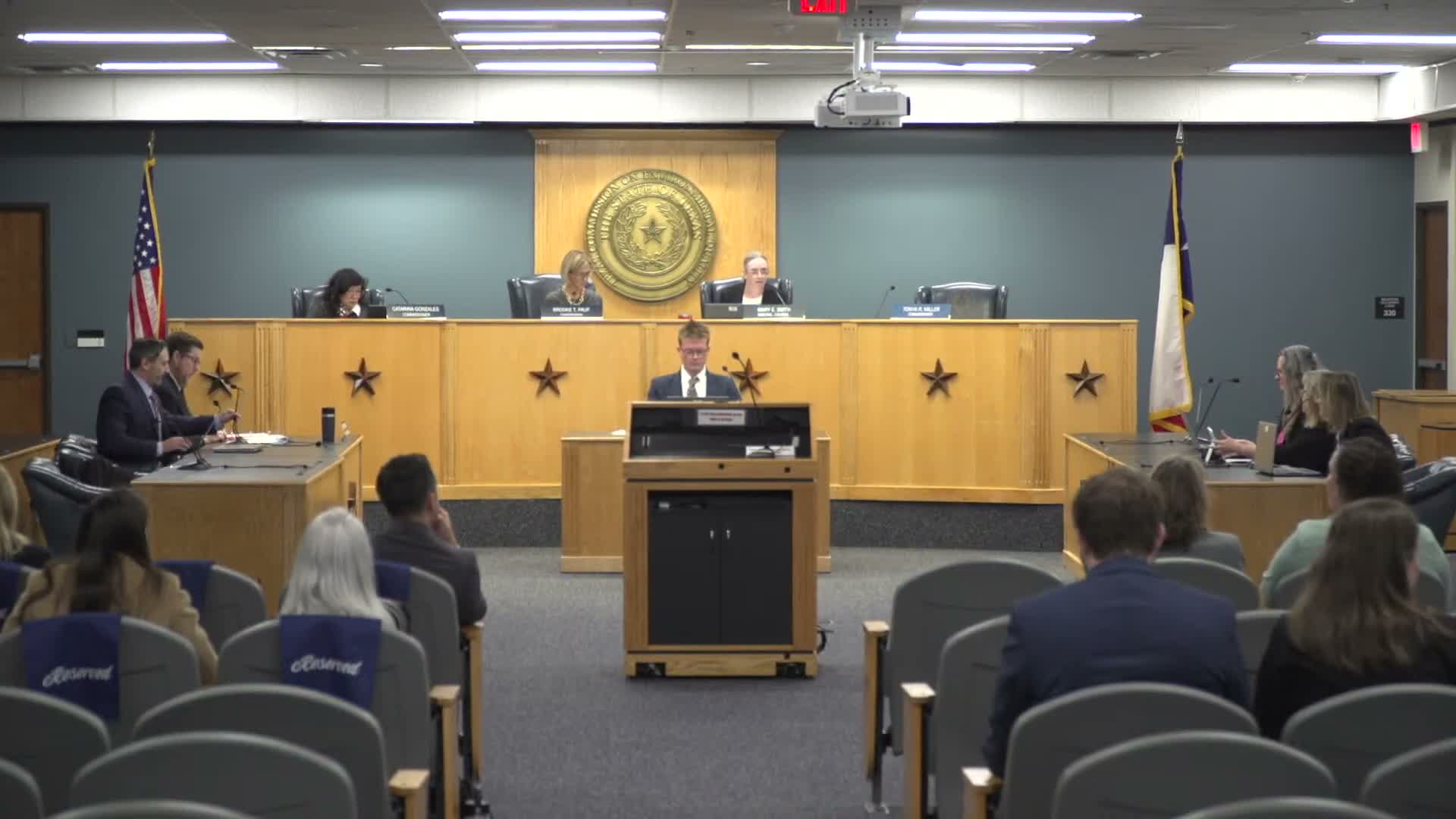
Summary
The commission adopted amendments to 30 TAC §§60.1 and 60.2 to implement Texas Water Code section 5.754 (SB 1397), expanding repeat-violator criteria to consider moderate and minor violations, increasing complexity categories, and requiring semiannual compliance-history updates.
The Texas Commission on Environmental Quality on Jan. 14 adopted amendments to 30 Texas Administrative Code §§60.1 and 60.2 intended to implement legislative changes from Senate Bill 1397 and address Sunset Advisory Commission recommendations.
Amy Sedemeyer of the Enforcement Division said the adopted rulemaking adds moderate and minor violations to the compliance-history calculation when determining repeat-violator status, expands complexity categories from two to five to better account for facility complexity, and increases the frequency of compliance-history calculations to semiannual updates. Staff told commissioners the change responds to legislative direction in Texas Water Code §5.754 and to recommendations from the Sunset review process.
Catherine Guerra of Public Citizen's Texas office challenged aspects of the revision during the public comment period, arguing the agency rejected several advocacy proposals and flagged that certain Notice of Violations (NOVs) remain excluded from consideration for the full five-year period. Guerra urged the commission to ensure compliance-history ratings reflect resolved and unresolved noncompliance equally and to address a high percentage of 'unclassified' regulated entities.
Sheldon Wayne of the Office of Public Interest Counsel said OPIC supports the amendment, calling the five-tier, complexity-weighted approach "reasonable and defensible" and saying semiannual updates will provide more current information for permitting and enforcement decisions.
Commissioners praised staff work implementing sunset directives and voted to adopt the amended rules as recommended by the executive director. Chairwoman Brooke Popp described the package as a "heavy lift" for agency staff, and the motion to adopt passed on voice vote.
The adopted amendments change how TCEQ calculates compliance histories and how repeat-violator status is determined; stakeholders who commented may seek to monitor the agency's implementation and whether NOVs and prior enforcement practices are reflected as intended.