Livingston planning commission continues housing element and rezoning items to Feb. 10 amid questions about conflicts and funding deadlines
Loading...
Summary
After a two-hour presentation and extended public comment, the commission voted 5-0 to continue the city's 6-cycle housing element and related rezoning items to Feb. 10 so parcels can be split and conflicts of interest addressed; staff warned some grants require certification by April 1.
The Livingston Planning Commission voted Jan. 13 to continue consideration of the city's 6-cycle housing element and associated rezoning sites to its Feb. 10 meeting after commissioners raised conflict-of-interest and process concerns and members of the public urged separate hearings for each parcel.
Planning staff presented the update as the first step in adopting the housing element required by state law and described the city's Regional Housing Needs Allocation (RHNA) for the next eight-year cycle as roughly 1,097 units. Staff said the draft element identifies sites, analyzes constraints and programs, and incorporates state-required fair-housing analyses. Miguel (community development staff) told the commission the city had submitted drafts to the State Department of Housing and Community Development and revised the document multiple times in response to agency comments.
Commissioners pressed staff about whether approving the housing element before rezoning the six identified sites would put the city ahead of itself. "It seems like we're putting the cart before the horse," one commissioner said, noting several commissioners may have conflicts on particular parcels. Staff responded that the planning commission's action is a recommendation to city council and that rezonings and general-plan amendments can be adjusted later, but also warned that some grant applications require a certified housing element. Miguel said the city is applying for CDBG funds with an April 1 deadline and that certification would help with that timeframe.
Public commenters offered mixed views. Natalia Herrera, who identified herself as not a Livingston resident, said, "I do believe that increasing low income housing would be a benefit for the community." Other speakers asked whether new housing would bring jobs and services, expressed concern about infrastructure and public-safety impacts, and requested clearer public notices for future hearings.
Because multiple commissioners indicated potential conflicts on several of the six rezoning parcels, Commissioner Jose Flores moved to split the package into individual items and continue the matter to Feb. 10; Commissioner Jasneel Singh seconded. The motion to continue and to break the package into separate agenda items passed by roll call vote 5-0.
What happens next: staff will return the six parcels as separate rezoning items (or grouped where parcels are immediately adjacent) at the Feb. 10 meeting; staff said the public hearing is continued rather than closed, so no new mailed notices are required to maintain notice for the continued hearing. The commission also requested that staff provide the existing multifamily design guidelines and consider returning draft updates so the commission can review design and public-safety standards before any multifamily approvals.
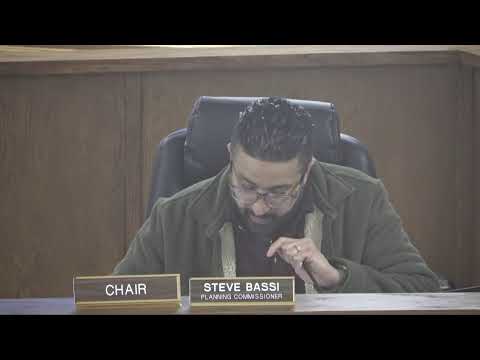
Votes at a glance: motion to continue the housing element and split the rezoning package — motion by Commissioner Jose Flores, second by Commissioner Jasneel Singh; roll-call vote: Jasneel Singh Yes, JT Mann Yes, Jose Flores Yes, Renee Mendonca Yes, Steve Bassi Yes; outcome: approved (5-0).
Next procedural steps: the commission will revisit the housing element and each rezoning parcel on Feb. 10; staff noted that if certain rezones ultimately are not recommended, the city must find other sites to meet RHNA obligations.