Get Full Government Meeting Transcripts, Videos, & Alerts Forever!
Get email alerts on the Solar Development topic
No spam. Unsubscribe anytime.
Wisconsin Rapids considers rezoning, letter of intent to preserve federal incentives for proposed solar array
Summary
Mayor Matt Zacker said the city's Water Works and Lighting Commission proposed a 25-acre solar array within an 80-acre parcel that overlaps two wellhead protection zones. The council voted to sign a letter of intent to preserve eligibility for federal incentives while rezoning and environmental risks are further vetted.
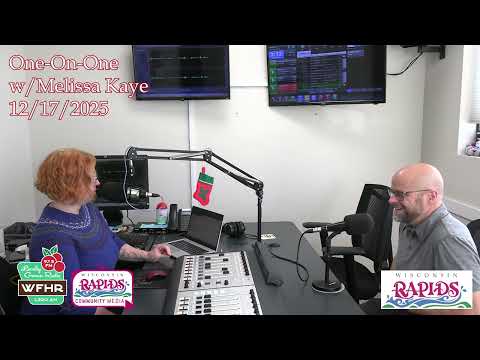
The City of Wisconsin Rapids is weighing a plan by the Water Works and Lighting Commission (WWLC) to install a 25-acre solar array on an 80-acre parcel that sits over two municipal wellhead protection areas, Mayor Matt Zacker said in a WFHR interview.
Zacker said alderpersons at the Dec. 1 planning commission meeting approved most items but held the rezoning request for the Whitrock and 2 Mile Avenue parcel so elected officials could examine water-supply protections. "Once you contaminate the water supply, that well is gonna be shot," Zacker said, summarizing council concern about runoff and other contamination pathways if the land were developed for housing.
Why it matters: The parcel contains two of the city's five wells. Council members must balance long-term groundwater protection against pressure to allow residential development and to pursue renewable energy projects that may lower electricity costs for large local businesses.
What was approved: The council voted to sign a letter of intent so the project could preserve eligibility for federal incentives that, according to Zacker, require a letter of intent before the end of 2025. Zacker described the vote as procedural: "If you have a letter of intent, that is good enough to get you the incentives," he said, adding that a final contract decision is expected in January.
Costs and projected savings: Zacker said connecting the array to the city's three-phase distribution system would cost about $100,000 because the hookup point is nearby; moving the site farther away would raise connection costs into the mid-six-figures or more. The array is estimated to produce roughly 5 megawatts of capacity for a community that Zacker described as using about 30 megawatts on average. He said WWLC's conservative estimate is roughly $200,000 in annual savings, which Zacker framed as about $6 million over 30 years, while acknowledging additional transmission costs were not included in the simplified savings figure presented at the planning meeting.
Environmental measures and decommissioning: Zacker said WWLC and the project developer described groundcover and landscaping plans, including planting wildflowers under the array and establishing a 150—60-250-foot buffer, and argued that such plantings could filter runoff more effectively than existing planted scrub. He also said the developer, One Energy, discussed a decommissioning plan and lender-backed provisions: the company would typically handle upkeep and dismantling after about 30 years and the panels and mounting hardware are largely recyclable, Zacker said.
Next steps: Rezoning of the parcel (from the planning commission's materials described as an R-2 residential to C-1 conservancy change) and further vetting of environmental assessments, connection costs and contract terms will return to the planning commission and the full council for decision. Zacker said the council asked that professionals present findings to the eight alderpersons before a final vote.
A note on sources and names: The project cost and savings figures were presented to council by WWLC representatives (identified in the interview as Todd Wheeler) and described by Mayor Zacker; the interview transcript contains inconsistent spellings for several referenced names and entities, which the city materials should confirm.
The council's letter-of-intent vote preserves a path to federal incentives while permitting additional review; no final construction contract was authorized in the interview record.