Santa Rita spotlights instructional coaching as new literacy screening prompts follow-up
Loading...
Summary
The Santa Rita Union School District presented midyear literacy screening results and a multi-site instructional coaching program; trustees asked for consultant review of MClass (DIBELS) data and teacher feedback before changes to assessment practices.
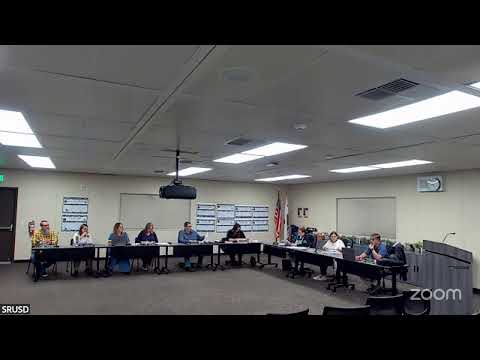
The Santa Rita Union School District board heard a presentation on instructional coaching and midyear literacy screening results Tuesday, prompting trustees to request a deeper review by the district and by MClass consultants.
Becky Moore, assistant superintendent of edge services, introduced academic and literacy coaches who described coaching goals — a common scope-and-sequence across grades and coaching cycles that include identify, model, execute and improve steps. "When we looked at all seven of us, we have six that have teachers who have completed a full impact cycle, as of December," one coach said during the presentation.
The coaches reported district metrics including ongoing impact cycles and teacher-facing supports such as PD and PLC time, classroom modeling, co-teaching and peer observation. Moore said educators who participated in a district survey identified classroom management, instructional coaching and technology support as the most helpful areas.
District staff also presented local literacy screening data from MClass (the DIBELS-based screener) and oral reading fluency checks. Moore said the district saw mixed results: kindergarten showed an increase in students “well below benchmark” in one measure even as some first-grade cohorts and other sites improved. "This is the beginning of year data for that particular measure... and we're going to be exploring together" with consultants, Moore said, describing planned follow-up with the vendor and principals.
Trustees questioned whether the district administers too many overlapping screeners, with one member saying, "I'd rather know one thing well than two things badly." Moore and other staff noted a recent state requirement that primary grades administer a reading screener this school year and said IReady provides broader language-arts and math context. The board asked staff to return with teacher feedback and a more detailed analysis at a future meeting.
District officials outlined specific next steps: a consultant visit to help principals interpret MClass reports, targeted interventions for students who regressed or made no progress, continued monitoring via progress tools within the platform, and coaching support to help teachers implement interventions. The district also flagged practical supports — Saturday Academy, after-school tutoring and paraeducator-led interventions — as places to target remediation informed by screening results.
The board did not take any formal policy votes on screening protocols at the meeting; trustees directed staff to gather additional teacher input and consultant analysis and to report back in subsequent board meetings.