Get Full Government Meeting Transcripts, Videos, & Alerts Forever!
Get email alerts on the Council Rules Update topic
No spam. Unsubscribe anytime.
Spokane council reviews broad 2026 rules update on agendas, amendments and staffing
Summary
City staff presented a package of proposed 2026 amendments to Spokane City Council rules aimed at clarifying agenda naming, sponsorship removal, amendment deadlines (including a pilot Friday budget-amendment deadline), suspension-of-rules procedure, written-testimony limits and incorporation of a new council staffing ordinance; councilmembers requested legal, fiscal and clerk follow-up.
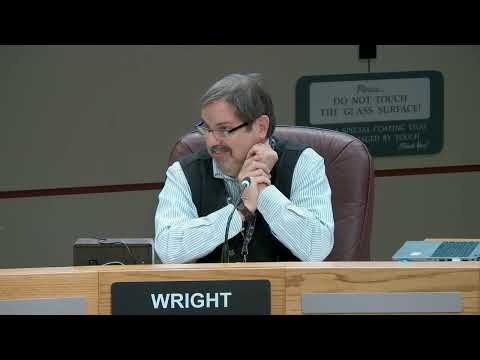
Council President convened a special meeting on Jan. 26 to review a staff-drafted package of changes to council rules for 2026, led by the council’s policy director, Mr. Wright, and office director, Mr. Jacoby. The package includes edits to agenda naming and routing, sponsorship addition/removal, written-testimony handling, amendment timing for the annual budget and rules governing suspension of the rules, plus language to incorporate a new council staffing ordinance into Section 7.
Staff framed the package as technical fixes driven by operational problems the past three years. "You you all have a copy of the summary, the 2 page summary," Mr. Wright told the council, and he noted the team had provided the rules in redline but "we haven't shared this with the clerks yet or with legal." He flagged several open issues that still need review, including meeting day, sponsorship thresholds, and how best to handle consent/contract substitutions.
Why it matters: the changes would affect how items get routed to committees, which items can be added late to a final agenda without a rule suspension, how and when amendments appear in the packet, and who can be held to vote or abstain. Councilmembers repeatedly asked for clearer guardrails to protect public notice and to define when staff can substitute routine contract documents without a formal motion.
Key proposals and reactions
Agenda naming and routing: Staff proposed simplifying the three-tier agenda labels (draft, updated draft, final) and adding a dated "upcoming items" list so the public can see what's on the horizon without overburdening the clerk's office. Mr. Jacoby said the clerks need a clear naming convention; some members urged the term "upcoming items" or "items of interest" and recommended plain-language summaries for long agenda titles.
Sponsorship rules: The draft clarifies a timeline allowing members to remove their name as a sponsor quickly but requires a motion after a deadline. A councilmember raised the possibility of increasing the required sponsors from two to three to promote collaboration; others opposed the change as likely to limit proposals.
Amendments and budget timing: Staff proposed codifying a pilot used this year that allows budget amendments to be submitted by noon on the Friday before final consideration. Mr. Wright said the aim is to allow "timely" amendments in a nimble budget process, while several members warned a Friday deadline could give the public limited time to review major policy changes and urged safeguards or an extra week in holiday weeks.
Suspension of rules and voting thresholds: The draft changes how suspension of rules is processed. Mr. Wright explained the working text would make a suspension apply only to the "next pending question," but councilmembers debated whether to let a single combined motion (suspend+adopt) stand (which effectively raises the vote threshold to five) or to keep two motions so the underlying item can pass by the regular threshold.
Public testimony and packet changes: Mr. Jacoby recommended removing an arbitrary 250-word cap on written testimony and suggested prohibiting photographs attached to written testimony in the packet (staff would still accept and circulate photos to members outside the packet). He said testimony submitted by the Wednesday before a meeting will be included in the packet for member review.
Committee presentations: Staff proposed limiting outside-group presentations in committee when identical items are already on a published council agenda, to avoid extended presentations that function as late testimony. Chairs would retain discretion to allow informational or workshop-style presentations in study sessions.
Council staffing and authority: The draft incorporates language from a recently passed staffing ordinance into the rules, confirming the council president's authority over hiring, discipline and discharge of central staff while outlining procedural steps (including executive-session involvement) and recommending HR and legal review.
Next steps and follow-ups
Staff told the council the draft requires review by clerks, legal and HR and recorded 17 follow-up items for deeper work, including: legal review of executive-session language and abstention mechanics; clearer fiscal-note expectations and thresholds for requiring staff-level fiscal analysis; a technical review of the redline format for code changes; and a second analysis on meeting-day timing and conflicts with external boards and Cable 5 scheduling.
The meeting concluded with an adjournment motion and a reminder of special meetings the next day (urban experience committee at 11:45 a.m., legislative session at 1 p.m.).