
Brandywine board raises process, timing concerns after Reading Consortium selects Northern Newcastle model
Get AI-powered insights, summaries, and transcripts
Sign Up Free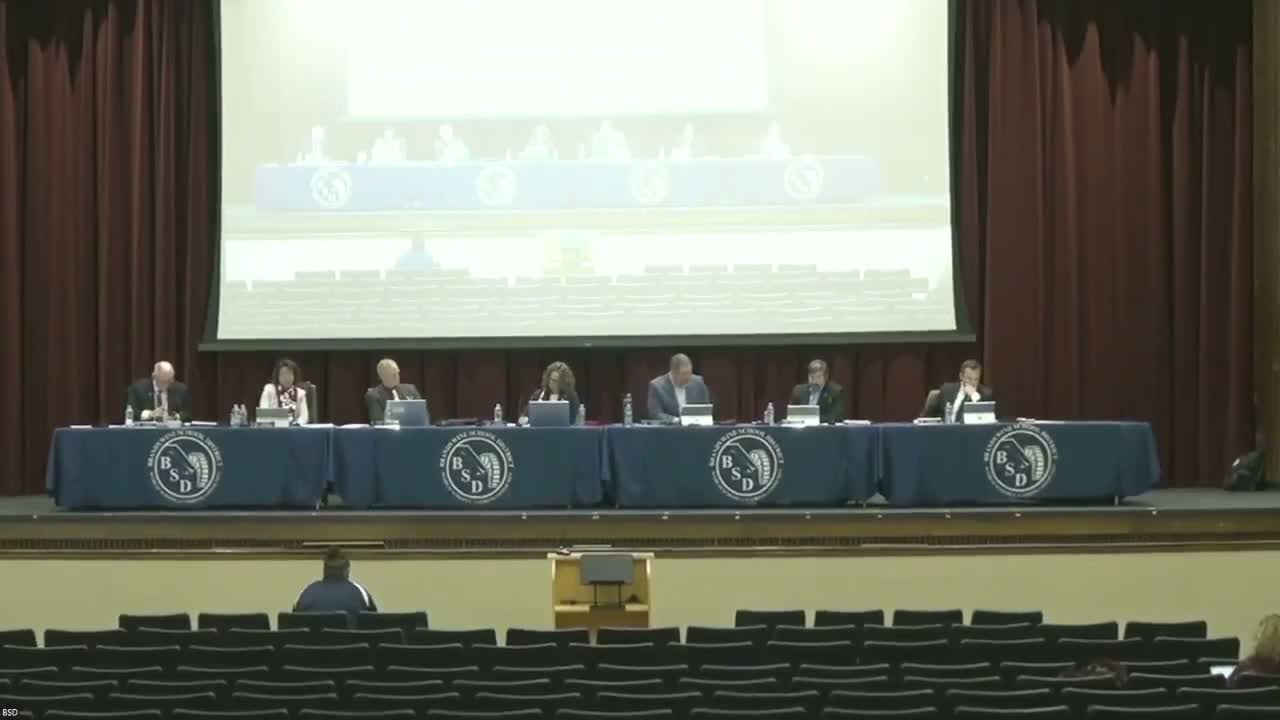
Summary
Board members said the Reading Consortium’s selection of a Northern Newcastle County model and its six-week timeline to present to the State Board leave unanswered legal and logistical questions; Superintendent and trustees urged clearer drafting, public hearings and time to meet 13 statutory requirements.
Board members on the Brandywine School District Board of Education pushed back on the Reading Consortium’s plan-selection timeline Tuesday, saying a recently chosen model — the "Northern Newcastle County School District" model — may be moving toward the State Board of Education too quickly.
The board’s remarks followed a report that consortium members narrowed three options to the single model at a Dec. 16 meeting and that all but two consortium members voted to advance it. Board members and Superintendent Dr. Lawson said planning for a full redistricting proposal has not yet begun and questioned whether the consortium can meaningfully address the 13 statutory stipulations required under House Bill 222 in the roughly six weeks before the consortium plans to present to the State Board.
"This commitment is critical," the board said during the discussion, urging the consortium and its co-chairs to complete a full implementation plan before advancing the model. Board members repeatedly asked who is actually drafting the plan, whether the district will get to review a written plan prior to state submission, and whether public hearings will be scheduled locally as promised.
The 13 stipulations the board cited (read aloud during the meeting) include: orderly and minimally disruptive reassignment of students and governance responsibilities; redrawing district boundaries to reduce concentrations of low-income students and improve supports for English learners; transportation; assessment of Wilmington students’ needs; staffing and collective-bargaining implications; resource needs and capital-asset distribution; funding to support implementation; implementation timelines; and an annual monitoring report to the governor and legislature. Board members said those requirements are substantive and will require time and resources to document.
Several trustees also noted the consortium’s timeline calls for a presentation to the State Board in February followed by General Assembly consideration in June; trustees questioned whether the consortium’s work plan includes the analysis and community engagement necessary to satisfy each stipulation. Dr. Lawson said the consortium’s timeline shows February public hearings on its calendar but that the district has not yet received detailed dates or guidance on submitting written public comment.
Parent testimony during the meeting echoed calls for clear communication. Speaking during public comment, parent Zati Moffitt said she supports the consortium’s process in principle but urged the district to keep families informed and not allow decisions to appear to happen "behind closed doors."
What’s next: The board president said the district will continue to seek updates from consortium leaders and planned outreach to Senator Lockman, who serves in a leadership role on the consortium, to confirm timelines and whether the district will be shown a final plan prior to the state-level presentation. The State Board’s February meeting remains the consortium’s public milestone according to the consortium timeline the district received.