Buena Vista adopts temporary moratorium on new short-term rental licenses; trustees plan stakeholder review
Loading...
Summary
The Board adopted an emergency ordinance pausing the acceptance and processing of new short-term rental license applications through September to allow community-based policy review. Trustees emphasized the pause is temporary and volunteer committees and a March 10 work session will guide revisions.
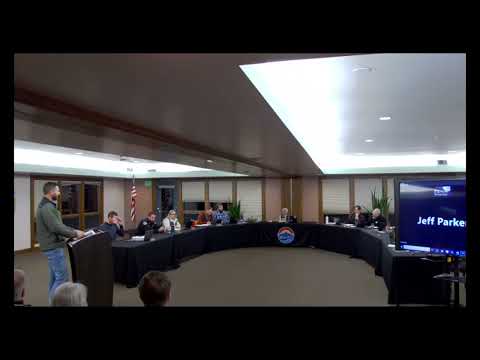
The Buena Vista Board of Trustees on Jan. 13 adopted Ordinance No. 1, an emergency moratorium temporarily halting acceptance, processing and approval of new short-term rental license applications in the town while staff and trustees undertake a review and stakeholder engagement process.
Trustee Rosenau opened the STR discussion with a public statement addressing calls for recusal tied to her employer, saying, “Hipcamp does not operate in Buena Vista, does not list short term rentals here, and has no financial or business interests in how this town regulates short term rentals.” She told the board she would recuse if a real conflict later emerged but warned against weaponizing ethics complaints to silence officials.
Staff explained the moratorium is structured to last until September but does not have to run the full period; a work session is planned for March 10 to begin stakeholder consultations. Legal counsel advised the board that a moratorium provides time to address citizen concerns and avoid processing applications while rules are being revised.
Public commenters were split. Jordan Mueller told trustees he was “strongly opposed to this moratorium on short term rentals and more broadly to the idea that citizens should have to ask permission to use their own property,” arguing restrictions can harm housing affordability and property rights. A local real-estate professional urged a common-sense approach, saying reasonable STR use supports local businesses and can help middle-class buyers afford homes.
Trustees repeatedly framed the ordinance as a temporary pause to allow comprehensive review, not a permanent ban, and several volunteered to serve on a stakeholder committee. The motion to adopt Ordinance No. 1 passed in a recorded voice vote with trustees indicating “Aye”; Trustee Rosenau subsequently placed on the record that she was abstaining from the prior vote.
Next steps include the March 10 work session, stakeholder committee formation and targeted outreach to STR owners, neighbors, and regional partners to draft a revised ordinance.