East Ridge leaders ask staff to draft mobile food-vending ordinance centered on overlay districts
Loading...
Summary
At a Jan. 15 joint workshop, East Ridge officials directed staff to draft a mobile food-vending ordinance that favors parcel-based overlay districts with specific conditions on density, duration, restrooms and hookups; special-event permits and annual licensing were also outlined.
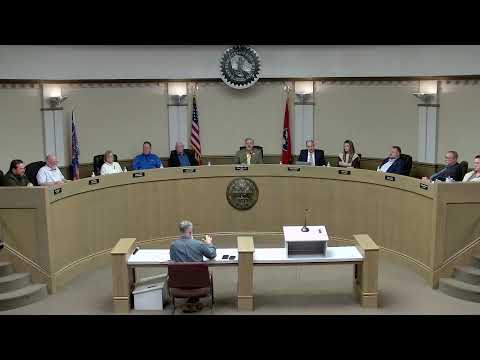
East Ridge city and planning officials met in a joint workshop Jan. 15 to discuss a draft mobile food‑vending ordinance and directed staff to produce a revised ordinance centered on overlay districts and targeted special‑event permitting.
City Manager Miller opened the discussion by summarizing two paths in the draft: a mobile food truck could operate on privately owned property with the property owner’s written permission, or on property included in a formally established overlay district. “A mobile food truck may be staged on a privately owned property with the express written permission of the property owner,” Miller said while summarizing the draft’s existing language.
Why it matters: officials said overlay districts give the city parcel‑level control—allowing the council to set limits on the number of trucks, whether alcohol sales are permitted, and whether trucks may connect to utilities—while private‑property permitting risks a proliferation of trucks along a long commercial corridor such as Ringgold Road.
Council members and Planning Commission representatives discussed several specific controls staff should include in the ordinance: caps on the number of trucks allowed per overlay parcel or address, limits on duration for special events (staff recommended two or three consecutive days, with three days preferred), a prohibition on permanent utility hookups, and restroom access rules for vendors operating extended hours.
The draft language read aloud at the meeting requires vendors operating three or more hours to provide employee restroom access within roughly 250 feet of the vehicle; staff noted this aligns with Tennessee workplace‑safety guidance and will be refined with input from the Department of Revenue and health officials. City Attorney Litchford and staff said they would confirm how sales should be reported so that sales occurring inside an East Ridge border‑region overlay qualify for the city’s border‑region reimbursement formula.
Officials discussed exemptions and special cases: schools and county‑owned stadium property were discussed as possible exemptions from certain overlay requirements, while churches and neighborhood block parties would generally be handled through simplified special‑event permits. Canteen or “roach‑coach” vehicles that make no on‑site food preparation would be treated separately and would be expected to obtain annual licensing under the draft.
Enforcement and logistics: staff recommended an overlay application process through the building department, a planning commission recommendation and final council approval. The city plans to require owner permission on applications, submit color photos of trucks, set parking‑space minimums to protect code compliance, and use permit display/visibility to aid enforcement. Renewals would be annual with a proration model (for example, a reduced fee after mid‑year).
Next steps: staff were directed to draft the ordinance reflecting overlay controls, special‑event limits, restroom and safety requirements, parking minimums, and administrative checklists, then circulate the draft to stakeholders (including identified Ringo Road businesses and the Chamber of Commerce) and return to the joint body for further review. There was no formal vote at the workshop; leaders described the meeting as a direction to staff rather than a final decision.
The council and planning commission said they expect staff to begin drafting immediately and to return the refined ordinance for additional review before any public hearing or formal adoption.