Get Full Government Meeting Transcripts, Videos, & Alerts Forever!
Get email alerts on the School Meals topic
No spam. Unsubscribe anytime.
Fairport reports big jump in school meals as district runs Provision 2 universal free meals
Summary
Food service staff reported sharp increases in breakfast and lunch participation after the district implemented universal free meals under Provision 2, projecting roughly a $400,000 gain for the food service fund while flagging longer lines, higher grocery costs and staffing needs.
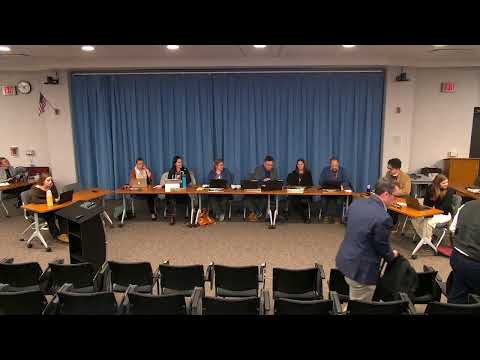
Food service staff at a Fairport Central School District board workshop said the district'9s switch to universal free school meals under Provision 2 has produced substantial increases in student participation and early revenue gains.
"We are projecting about a $400,000 gain for food service," said Jeremy Dardone, assistant superintendent of business, citing sales from September and October and state and federal reimbursements. Food service staff presented daily snapshots showing breakfast participation rising sharply and lunch counts up year over year.
The presenters explained the mechanics of Provision 2, which allows a district that is not eligible for Community Eligibility Provision (CEP) to serve all students at no charge while still collecting individual eligibility determinations and conducting verification. "Provision 2'9s meals are counted at the point of service and claimed monthly by category," a food service presenter said, noting the state will reimburse meals up to combined federal and state rates.
Why it matters: higher participation increases federal and state reimbursement dollars tied to meals served, but it also creates operational pressures. Food service staff described longer lines at elementary schools, adjustments to breakfast choices to speed service, adoption of ID badges to scan students quickly, and ongoing staff shortages. "Universal free meals will lead to an increased need for staff," a presenter said.
Board members and student board representatives pressed staff on operational and financial details. Students said they welcomed free meals and did not see unmanageable waiting times at several sites. District staff noted grocery costs have risen, vendor problems have affected milk deliveries, and some reserves were used after a prior-year shortfall: "We had a loss of $612,000 last year," Dardone said, and food service drew on internal balances that now stand at roughly $300,000.
Regulatory context and next steps: presenters pointed to upcoming state and federal changes that affect menus. They outlined USDA sugar and milk standards already in effect and previewed planned sodium reductions for 2027. Officials said P2 participation has been confirmed through the current school year, and continued state reimbursement depends on adoption of the next state budget in spring 2026. The board asked staff to continue monthly monitoring of sales, reimbursements and grocery bills and to return with staffing recommendations as the district evaluates long-term effects.
The workshop moved on after the presentation; the board later recessed to an executive session on personnel matters.