
Opa-locka commission narrows lien-amnesty terms after heated debate, approves changes 3–2
Get AI-powered insights, summaries, and transcripts
Subscribe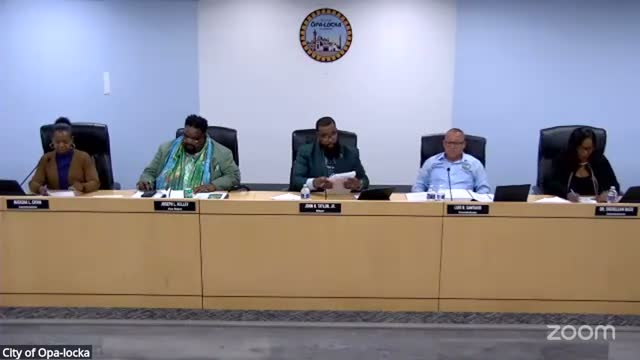
Summary
After hours of debate over resale risk and fees, the Opa-locka City Commission approved changes to its code-enforcement lien amnesty program, keeping the $500 commercial application fee and shortening a sale prohibition from 36 months to 12 months in a 3–2 vote.
The City of Opa-locka Commission on Jan. 14 approved revisions to its code-enforcement lien amnesty program after an extended debate about whether the changes would let property buyers "flip" rehabilitated properties and whether the city should reduce application fees for commercial properties.
Commissioner Juan Santiago sponsored the resolution to amend the city's lien-amnesty program, removing a requirement that applicants acknowledge and consent to a filed lien and adjusting application-period timing and fees. "We don't want to make impossible things for people in the great city of Opa-locka," Santiago said during debate.
Vice Mayor Samir Kelly, who opposed rapidly altering the recently enacted program, urged patience: "Sound bites are not reality," Kelly said, arguing the manager should be allowed to run the program and return data before the commission makes further changes.
Commissioner Dr. Charlene Bass offered a friendly amendment to keep the commercial application fee at $500 rather than lowering it; that amendment passed unanimously. Commissioners later voted 3–2 to shorten the restriction that prevented participants from selling a property after receiving amnesty from 36 months to 12 months.
Madam Clerk's roll call on the final legislation recorded Yes votes from Commissioner Santiago, Commissioner Bass and Mayor Taylor; Commissioners Irvin and Vice Mayor Kelly voted No, and the ordinance was approved 3–2. The sponsor and managers said the city manager retains discretion over percentage reductions on liens (up to 85% under existing policy).
The conversation included significant concern about unintended consequences if amnesty applicants could immediately resell properties. Vice Mayor Kelly warned the program might be exploited: "You come take over, you come get the break...and come turn around and sell it the next day without any kind of retribution," he said. Supporters of amendment and the final change said shortening the sale restriction and keeping the fee helps balance resident relief and fiscal prudence.
The commission recorded the motion and the attendant amendments on the public record and closed the item as passed. The revised policy will be implemented under the city manager's oversight, who will also manage individual case exceptions as permitted by the program's terms.
What happens next: staff will update implementing guidance consistent with the commission's amendments and continue to report results to the commission as the program operates.