Franklin board debates Infrastructure Development District policy as residents warn of added costs
Loading...
Summary
City staff presented a local policy to implement Tennessee’s IDD tool; residents urged caution, calling IDDs a tax and warning of school and home‑value impacts. Boardmembers suggested delaying final action pending state legislative “cleanup” and recommended more public education and case‑by‑case maintenance requirements.
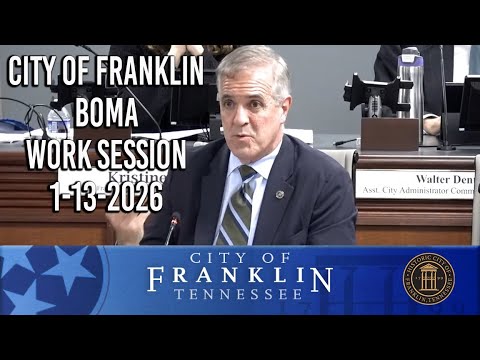
City staff on Jan. 13 presented a draft policy and procedures for Franklin to accept petitions to create Infrastructure Development Districts, a state-authorized financing tool intended to help pay for public improvements tied to new development.
The policy, revised after a December work session, aims to align IDD petitions with existing development approvals and to tie any IDD to clear municipal benefits — such as attainable housing, infrastructure, public safety investments and redevelopment. Staff also proposed administrative fee language that would allow the city to recoup program administration costs if state law changes.
The draft prompted extended questions from aldermen about how assessments would be collected and administered. Alderman Caesar asked how the up‑front financing and life‑cycle maintenance of infrastructure would be handled; staff said if infrastructure is accepted as public, it becomes the city’s responsibility after acceptance but that the city already uses maintenance agreements and could require long‑term provisions in IDD contracts.
Public commenters were sharply divided. Patrick Collins told the board the IDD concept is “a giant cost‑shifting scheme that benefits only developers,” adding that the board was “deciding a tax here” and urging officials to consult peers before approving the tool. Janet Curtis, who identified herself as a resident, warned buyers and realtors that “houses have lost their values in IDDs” and said assessment fees are not tax‑deductible and can reduce resale values. Janice Williams raised concerns that school overcrowding and tax burdens would not be addressed by the IDD mechanism.
At the same time, Rachel Blackhurst of the Commercial Real Estate Development Association told the board she supported the policy and thanked staff for distilling the new state law into a workable local document.
Boardmembers said the concerns raised by residents warranted more public education. Several aldermen suggested building a public FAQ and requiring earlier, more formal community engagement from prospective applicants — including charrettes or other outreach — so potential buyers and neighbors understand assessment terms, timing and long‑term maintenance responsibilities.
Staff also flagged a separate, pending legislative clarification needed to ensure the county trustee can administer IDD assessments as envisioned; the county trustee and state legislators are reviewing the language. Given that, staff recommended deferring final approval until the legislature’s cleanup has progressed and the city can finalize any necessary interlocal agreement with the county trustee.
Multiple aldermen expressed support for waiting until the legislative questions are resolved and for adding stronger public‑engagement and maintenance‑requirement language to the local policy. Staff said deferring to February would allow time to track the legislative changes and draft any necessary clarifying language.
Next steps: staff will monitor the state legislative cleanup, prepare interlocal language with the county trustee, and produce public education materials and draft community‑engagement requirements for board review before final action.