Get Full Government Meeting Transcripts, Videos, & Alerts Forever!
Get email alerts on the School Budget topic
No spam. Unsubscribe anytime.
Cheshire superintendent proposes 8.83% operating budget increase to address enrollment and special‑education costs
Summary
Superintendent Dr. Jeff Solon presented a proposed 2026–27 operating budget that would raise spending by about $8.2 million (8.83%) to support projected enrollment growth, a $1.2 million increase for special education, rising benefits and staff needs; the board will review line‑item detail in follow-up sessions and did not vote tonight.
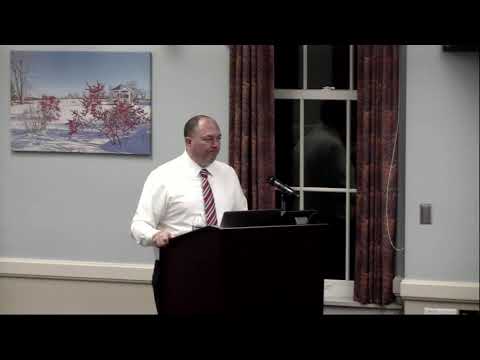
Dr. Jeff Solon, superintendent of Cheshire Public Schools, presented a proposed 2026–27 operating budget that would raise district spending roughly $8.2 million, or 8.83%, largely to cover enrollment growth, special‑education costs and higher benefits and vendor contracts.
"What we provide in our budget is instruction to 4,482 students," Solon said, framing the package as support for instruction plus mental‑health, nutrition, medical care and specialized services. He told the board the district's current enrollment is about 4,372 and is projected to reach 4,482 next year, with most growth concentrated in prekindergarten through sixth grade.
The proposal includes a $1.2 million increase earmarked for special education services and programmatic additions such as a district STEM coordinator and an elementary assistant principal. Solon said staffing additions address shifting enrollment and the district's redistricting plan; he cited specific school changes including Barnum (+7 teachers) and Norton (+9 teachers) and reductions at other sites.
Solon said an initial internal request of roughly 10.56% was trimmed to the current 8.83% proposal. "That is reflective of a lot of time and energy taking a look at what enrollment is looking like, where can we save money, and where could we potentially leverage some things to benefit students," he said.
He outlined cost drivers behind the increase: negotiated teacher-contract steps and raises (a total contract cost Solon described at about 4.46%), higher non‑certified salaries (about 5.57% in the proposal), rising medical‑benefit costs (budgeted to a projected claims rate, with a cited increase of about 6.97%) and operational pressures such as vendor contract renewals for cleaning, snow removal and alarm monitoring. Solon said the district's medical‑benefit reserve stood at about 2.02 months of claims as of November.
On transportation needs, Solon said the district must replace a specialized special‑education van (about $100,000) and a second van (about $60,000); the $60,000 vehicle will be purchased with a state seed grant and was removed from the operating request.
Solon also reviewed comparative spending and achievement: Cheshire's reported per‑pupil expenditure for the most recent available year was cited at about $20,816, roughly $3,454 below the state average based on 2024–25 data, a gap that would require many millions more to close. He noted Cheshire ranks highly in state achievement and emphasized program value, including high extracurricular participation at Cheshire High School.
Several board members pressed for line‑item detail and breakdowns of staffing costs. Finance staff (identified in the presentation as Emily and Heather) and Solon agreed to provide more granular numbers at the next review meeting. Solon scheduled further account reviews and public engagement sessions over the coming weeks, then a town‑council review in April as the budget process continues.
No budget vote was taken at the meeting. The board recessed after a motion to adjourn was moved by 'Mister White' and seconded by 'Miss Kollauer' and approved unanimously.
Votes at a glance
- Motion to adjourn: moved by Mister White; seconded by Miss Kollauer; outcome: approved unanimously (motion to adjourn recorded during closing).