Planning commission defers decision on Turtle Cove rezoning after hours of public comment
Loading...
Summary
Faced with extensive public comment raising safety, environmental, archaeological and comprehensive-plan concerns, the Mecklenburg County Planning Commission voted to defer the Turtle Cove conditional rezoning request and schedule a site visit and further review.
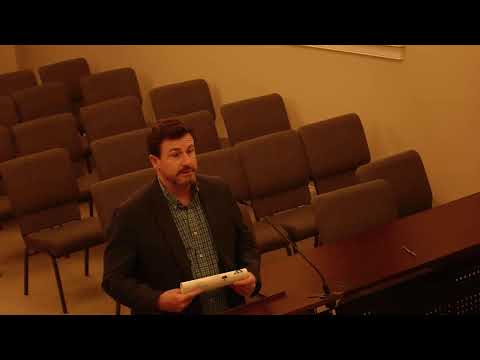
The Mecklenburg County Planning Commission deferred action on a conditional rezoning request for a proposed marina and related commercial uses on a 31-acre portion of a roughly 444-acre site commonly described by the developer as Turtle Cove. Applicant representative Chad Siri asked the commission to rezone the parcel to conditional B-1 to allow a marina, restaurant, general store and limited recreational uses; he said the commercial footprint would be under 5% of the overall acreage and that a portion of the site could be dedicated for a Warren County fire/EMS substation.
The developer framed the request as a package of limited, lake-focused commercial uses tied to a larger residential development mostly sited in North Carolina. ‘‘We’re requesting the property be rezoned to conditional zoning B-1,’’ Siri said, emphasizing conditions and future site-plan review. Commissioners and staff clarified that docks and slips would require separate approvals from Dominion and likely federal and environmental reviews; specifics on numbers and sizes of slips had not been finalized.
More than two dozen members of the public spoke during a lengthy public-comment period. Speakers included local emergency-services officials who said they had been engaged by the developer, residents and water-safety advocates who warned that the proposed scale (the developer’s concept references up to 380 boat slips) would exceed local carrying-capacity, amplify wake energy, increase collision risk and stress emergency response in a narrow, shallow corridor. Flynn Callum told the commission the site lies within a documented Native American settlement corridor and cited archaeological reports and the need for Section 106 consultation under the National Historic Preservation Act before disturbance.
Opponents also raised fiscal concerns: multiple speakers said the bulk of the planned residential development sits in North Carolina and argued Mecklenburg County could incur long-term service costs (law enforcement, roads, emergency response) while receiving only limited tax revenue. Several citizens called the rezoning a form of spot zoning inconsistent with Mecklenburg’s 2044 comprehensive plan and urged that commercial development be directed to towns with existing infrastructure.
After receiving the public record, a commissioner moved to defer the application to allow the planning commission time to visit the site and to consider public comments; the motion was seconded and carried. County staff announced the matter would be set for the next meeting (Feb. 19 was stated on the record) and commissioners discussed organizing a group site visit including emergency‑services representatives.
No final vote on rezoning occurred; the deferral keeps the public record open for the commission’s further review and for staff to collect necessary technical information, interagency feedback and any required environmental or archaeological studies.