
House Ways and Means committee advances Barcode Efficiency Act to speed IRS paper‑return processing
Get AI-powered insights, summaries, and transcripts
Subscribe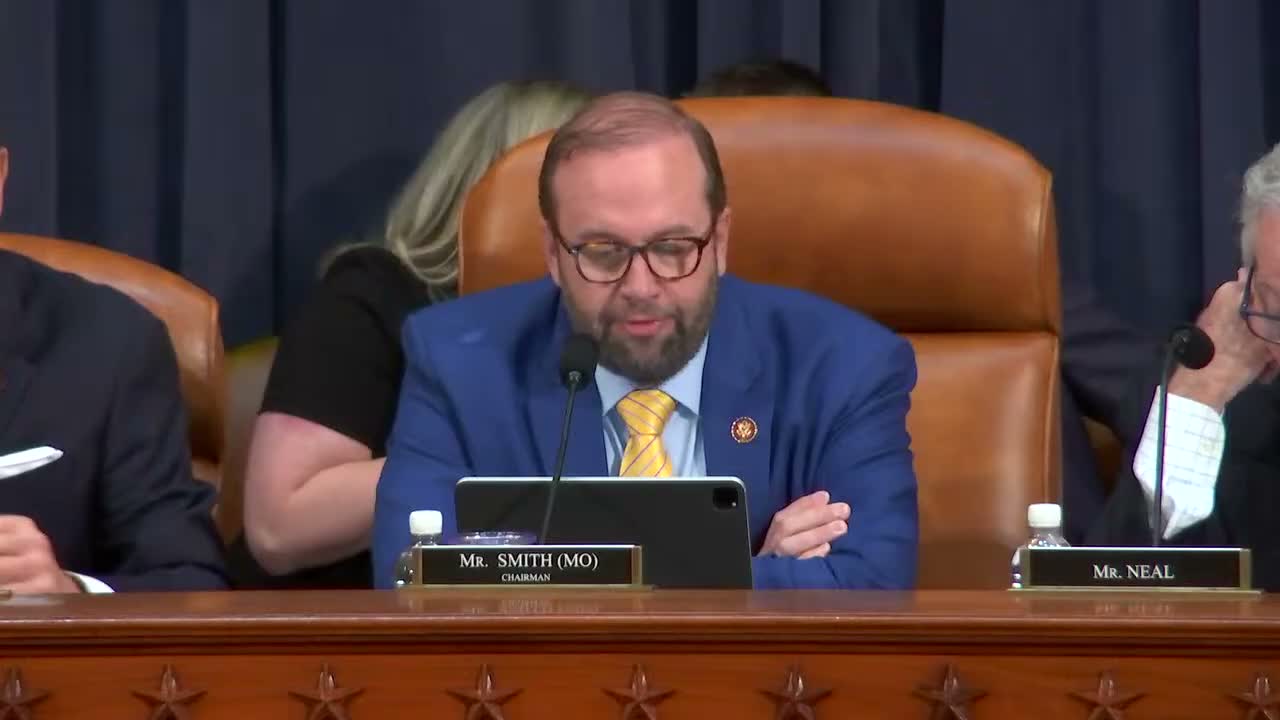
Summary
The committee reported HR 6956, the Barcode Efficiency Act, which would require barcode and OCR technology for electronically prepared returns filed on paper to reduce manual entry, improve accuracy, and accelerate refunds; the measure passed committee 42–0.
The House Ways and Means Committee on Thursday advanced HR 6956, the Barcode Efficiency Act, a bipartisan bill intended to speed processing of individual tax returns by requiring barcodes and optical character recognition (OCR) technology for paper returns prepared electronically.
Supporters said the change would sharply reduce manual data entry at the IRS and shorten refund delays for paper filers. Representative Joachim, the bill's lead sponsor, described the measure as "a simple but powerful bill that will make tax return processing faster, more accurate, and more efficient." Joint Committee staff told members the bill applies to individual, estate and trust returns and estimated a negligible effect on federal receipts; under the chairman's substitute the provision would generally take effect for returns received on or after Jan. 1 of the calendar year beginning more than 180 days after enactment.
Democrats praised the modernization but warned it must not be a substitute for adequate IRS funding. "We're making this minor, albeit important, change at the same time that this administration and our Republican colleagues are defunding the IRS in ways that undermine both enforcement and fairness," said one member who supported the bill but urged stronger enforcement resources.
The committee adopted an amendment in the nature of a substitute by voice and then voted on a motion to favorably report HR 6956 as amended. The clerk announced the roll call: 42 yes, 0 no. The measure was ordered favorably reported to the House. Chairman Smith asked staff to make technical and conforming edits and gave members two days to file supplemental views.