Lifetime Citizen Portal Access — AI Briefings, Alerts & Unlimited Follows
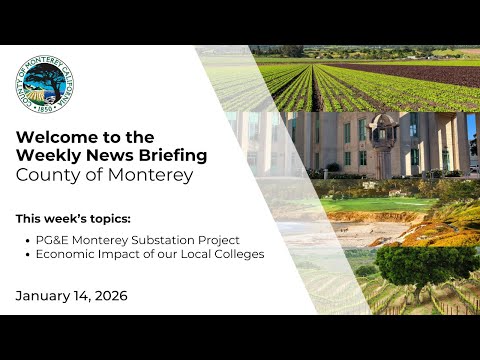
CSUMB, MPC and Hartnell outline workforce roles, economic impact and employer partnerships
Loading...
Summary
Leaders from Cal State Monterey Bay, Monterey Peninsula College and Hartnell College presented figures on jobs and economic contributions, outlined industry partnerships (health care, hospitality, agriculture) and described curricular links that feed local workforce needs.
Leaders of the region’s three largest higher‑education institutions described how their campuses feed the Monterey County economy and provide workforce pipelines for health care, hospitality, agriculture and technical jobs.
Vania Quinones, president of Cal State Monterey Bay, told the briefing that CSUMB supports substantial regional economic activity through operations, construction and student spending and highlighted student community engagement. “We support about 579,000,000 regional industry activity that comes directly to from Cal State Monterey Bay, and we sustain about 6,000 jobs,” Quinones said, and added that the university generates tax revenue and has programs that emphasize social mobility and affordable tuition.
Marshall Fulbright, superintendent and president of Monterey Peninsula College, described MPC as a county workforce engine: he said MPC enrolled nearly 12,000 students in 2024 and that about 55 percent are first‑generation college students. He emphasized career and technical education (CTE) outcomes—citing statewide CTE employment rates of roughly 70–74 percent and MPC data showing about a 44 percent wage increase for CTE completers—and described paid internships and employer‑connected training as key mechanisms to place students locally.
Michael Gutierrez, superintendent and president of Hartnell College, highlighted Hartnell’s distinctive programs—the only Ag Mechatronics program at a California community college, a large welding bay, a nationally recognized nursing program and a new bachelor’s degree in respiratory care—and placed the local institutions’ work in the context of statewide community‑college economic figures.
Across the panel, college leaders described how they stay connected to employer needs: advisory committees for programs, faculty embedded with industry partners, frequent curriculum review cycles for CTE courses, and direct partnerships with employers. Panelists named major local partners, including hospitality employers (Pebble Beach and the Pebble Beach Scholars program), local agricultural companies that helped build the Ag Mechatronics program, and healthcare partnerships such as Monterey Peninsula’s collaboration with Community Hospital of the Monterey Peninsula (CHOMP) to expand nursing training and clinical placements.
Panelists did not announce formal votes or policy decisions at the briefing. They said the goals are workforce alignment, student affordability and retaining talent locally; several cited data points intended to show economic return on investment.
The briefing closed after a short question period; the moderator thanked the presidents and noted the next briefing will be the following week.