
Witnesses Back H.270 to Protect Peer-to-Peer Confidentiality for First Responders, Urge Language Fixes
Get AI-powered insights, summaries, and transcripts
Sign Up Free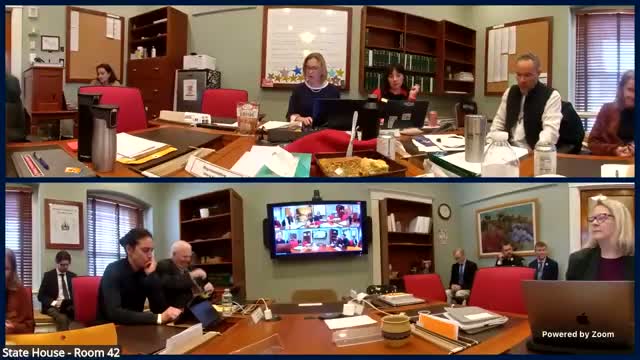
Summary
Witnesses told a legislative panel H.270 would lower barriers to mental-health care for first responders by protecting peer‑to‑peer communications, while urging edits on wording, liability protections for volunteers and clarity about which responders are covered.
Montpelier — Witnesses offered broad support on Jan. 14 for H.270, a bill that would make communications between trained peer supporters and first responders confidential, but pressed lawmakers to refine the bill’s language and scope before advancing it.
Mark McDonough, battalion chief of the Burlington Fire Department and vice chair of the Emergency Service Provider Wellness Commission, told the committee the commission “supports the intent of the bill” but has “significant concerns with some of the language used.” McDonough said confidentiality is critical because “peer support programs are recognized as having the lowest barrier for seeking help,” and that legal protections would reduce stigma and encourage people to seek assistance.
The witnesses described peer supporters as trained, empathetic listeners who help colleagues access resources, not clinicians. Several speakers objected to the draft bill’s use of the word “counseling” to describe peer interactions, saying it blurs the line between informal peer‑to‑peer support and licensed clinical treatment. McDonough said the commission submitted alternate draft language and offered to share the Department of Corrections’ existing confidentiality provision for reference.
Clinician-witness Carrie Mall, who also serves as a volunteer firefighter and identified herself as a licensed independent clinical social worker, told the committee that licensed emergency mental‑health workers generally operate under HIPAA and other protections. “If your agency is pushing you to do that, that is illegal, and you are protected by HIPAA,” she said, arguing that HIPAA protections and employer‑employee relationships distinguish clinicians from volunteer peer supporters and that the bill should focus on protecting unpaid volunteers.
Trevor Whipple, a retired police chief and law‑enforcement consultant with the Vermont League of Cities and Towns, recounted his experience as a chief and cited national data to argue for urgency. He told the committee a 2019 report indicated that “law enforcement officers and firefighters were dying more frequently at their own hands than they were in service,” and quoted related statistics for EMS and dispatch personnel to underline the mental‑health risks.
Witnesses urged a set of narrow exceptions in any confidentiality law: disclosures required by mandatory‑reporting statutes (for example suspected child or elder abuse) and imminent risk of self‑harm or suicide. They also recommended adding liability protections for trained peer supporters so volunteers are not exposed to civil suits when they act within training, while preserving accountability for gross negligence.
Several committee members and witnesses pressed whether H.270 should explicitly include mobile crisis teams, emergency mental‑health responders and other non‑sworn crisis workers in the bill’s definition of “emergency service provider.” McDonough said expanding the definition is a broader policy choice that may require separate drafting, while others argued mobile crisis responders perform similar frontline roles and deserve the same confidentiality safeguards.
Operational and funding questions surfaced: witnesses said Secure/EAP First, a program of InvestEAP, provides a statewide peer network and includes clinicians as contractors; peers generally volunteer and clinicians may be paid. Witnesses said peer services are typically not reimbursable by insurance unless provided by licensed clinicians, and that the state‑funded EAP model commonly offers a limited number of clinician sessions per incident.
Committee staff closed the session by asking legislative counsel to compare draft versions and provide legal guidance on statutory interactions (including mandated‑reporter rules and HIPAA), and invited further testimony. The committee recessed until 2:30 p.m.
What’s next: lawmakers said they will review the commission’s suggested edits and consult legislative counsel before deciding whether to advance H.270 or revise its scope.