Ridgewood council hears hours of testimony on five housing‑related ordinances, delays votes until Feb. 11
Loading...
Summary
After more than five hours of public comment and technical briefings, the Ridgewood Village Council carried votes on five contested zoning ordinances—intended to meet the state
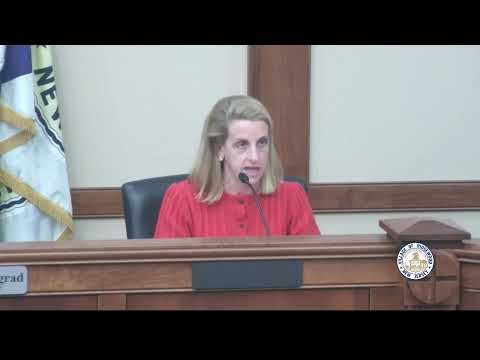
The Ridgewood Village Council opened a long, often heated public hearing on Jan. 14 that focused on five zoning ordinances the council says are necessary to comply with New Jersey affordable‑housing obligations, but the council agreed to postpone final votes until its Feb. 11 meeting to allow time for developments in federal litigation.
At a packed Village Hall and on the villageTV livestreams, the council heard planner Beth McManus explain how the ordinances alter zoning and density; municipal counsel and outside counsel described the villagelegal options and the risk of losing zoning immunity if the town fails to make a plan the courts accept. Council members repeatedly described the package as a defensive measure to avoid larger developer‑driven outcomes in court.
Residents representing multiple neighborhoods pressed officials on specifics: how increased set‑asides, floor‑area ratios and taller allowable heights would affect traffic, stormwater, property values and neighborhood character. Natalia Pertasiewicz, who identified herself as a Ridgewood resident, urged the council to tie increased affordable set‑asides to objective limits on height and bulk and warned that higher set‑asides without firm caps can lead developers to push for greater density and height to restore feasibility.
The five ordinances include: a village‑wide mandatory set‑aside increase to 20% for new multifamily projects (Ordinance 4075); a townhouse overlay for 299 Gothel Road (4072); a Chestnut Street commercial‑residential district that would allow mixed use and up to 30 units an acre (4073); a senior overlay for the Kensington assisted‑living site (4071); and amendments to B1/B2 downtown rules to increase density where affordable units are provided (4074). For each ordinance the council opened a public hearing and then, after extensive testimony, voted to carry the final adoption vote to the Feb. 11 meeting.
Council and staff emphasized that public hearings would still be recorded in full and that votes were postponed to allow the village to learn whether a pending federal injunction might alter the legal landscape. Village counsel said that carrying the votes preserves flexibility if the federal court issues relief that affects the fourth‑round rules.
Next steps: the council will take the public record from tonighthearing into its deliberations, expect updated technical traffic and environmental studies as part of future planning‑board review, and reconvene for final votes on Feb. 11. The council also instructed staff to continue publishing background materials on the village website and to respond in writing to technical questions submitted by residents.
What to watch: the federal court decision on the municipal plaintiffsinjunction and the villagewebsite publication of the technical reports that residents requested tonight (traffic, stormwater, and site environmental reviews).