
Clark County court pauses most general-fund bill payments amid tight cash flow
Get AI-powered insights, summaries, and transcripts
Subscribe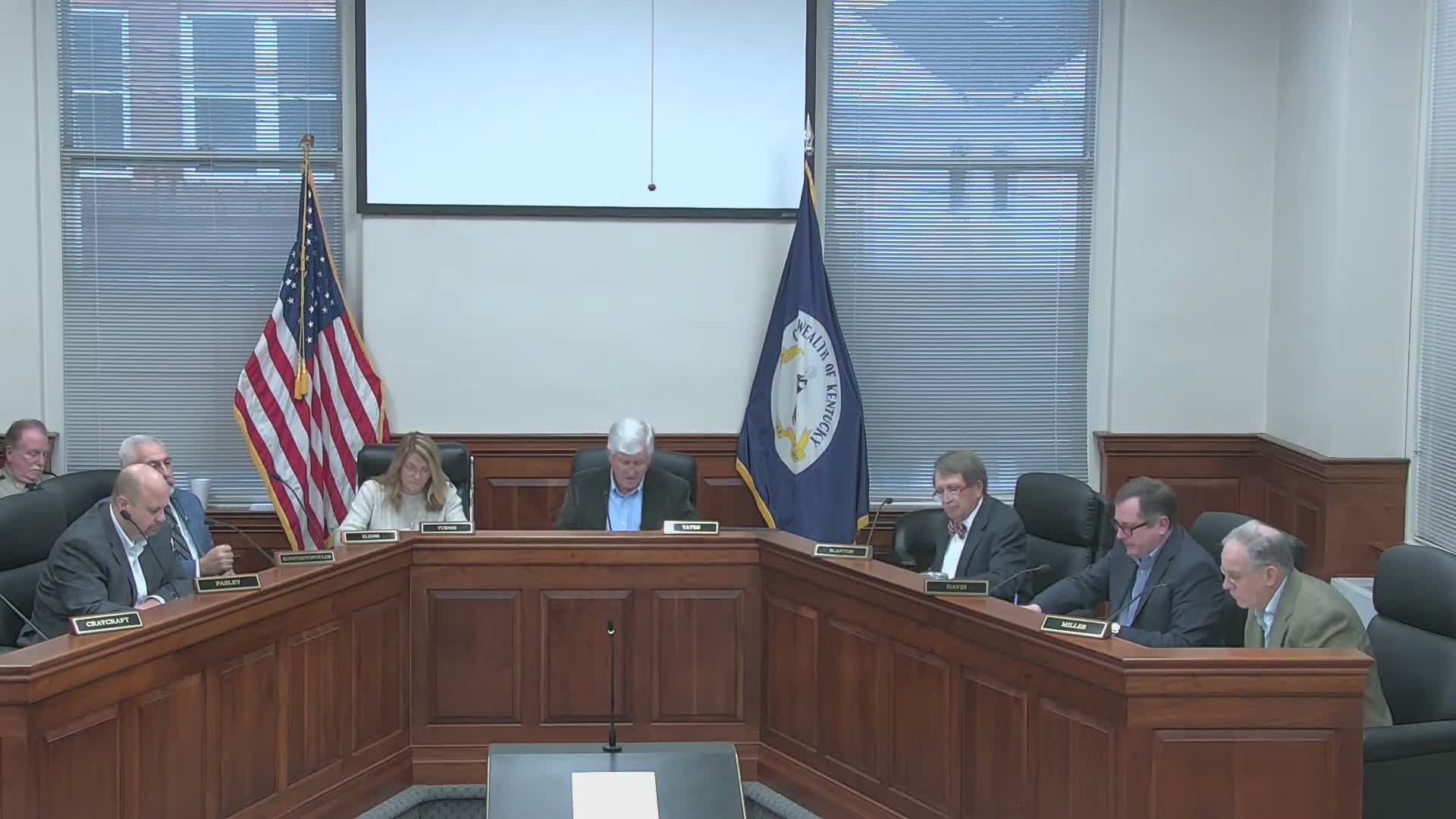
Summary
Facing limited available balances and upcoming payrolls, Clark County Fiscal Court voted to hold most general-fund bill payments at its meeting and prioritize past-due items while staff pursues pending deposits and financing options.
Clark County Fiscal Court voted to hold most general-fund bill payments at its meeting after a lengthy discussion about limited cash-on-hand and imminent payroll and benefit disbursements. The court decided to prioritize certain past-due obligations while awaiting deposits and financing options.
The court’s debate centered on how to stretch a tight general-fund balance until mid-month revenue arrives. "My recommendation is that we pay last month's bills and deduct the $100,000 to the sheriff," said Speaker 3, who argued that paying a subset of December bills and arranging payment to the city afterward would leave the county able to meet the next payrolls. Treasurer/staff reported a past-30-day bills amount and budget figures; one staff figure cited was $268,726 in past-30-day bills and a total December bills list of $464,003.78.
Why it matters: officials said two payrolls and retirement/insurance charges will hit in January, creating large near-term outflows that limit the county’s ability to pay all vendors now. The court accepted a motion to hold the general-fund bills for this meeting so staff can get a clearer picture of cash availability and pending deposits.
What the court did: after discussing alternatives and pending deposits, the court approved a motion to hold the general-fund bills for the meeting and to pay selected past-due items, carrying the motion by voice vote. Speaker 1 acknowledged the sheriff’s forbearance on a $100,000 request and said the court will coordinate with the treasurer to determine exact balances after the meeting.
Next steps: court members instructed staff to reconcile available balances, follow up on pending deposits, and report back at the next meeting. The court also signaled willingness to pursue short-term financing or transfers where allowable to cover critical obligations.
The court adjourned the bills discussion with the motion to hold payments in place; further action will depend on updated revenue and the treasurer’s account reconciliation.