Get Full Government Meeting Transcripts, Videos, & Alerts Forever!
Get email alerts on the Transportation topic
No spam. Unsubscribe anytime.
Parent urges Houston ISD to review van fleet after rural roads strain rear‑drive vehicle
Summary
A parent told the Houston ISD board that a regular route van driven by Jessica Dankers is rear‑wheel drive and struggles on rural Ferndale/Chisholm/Little Valley roads; he urged the district to consider four‑wheel‑drive replacements when the fleet is renewed.
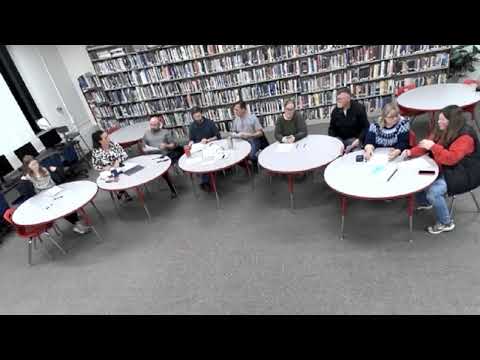
A resident urged the Houston Independent School District board on Monday to review the safety of student transport on rural routes, saying the van currently used for several families is rear‑wheel drive and poorly suited to winter road conditions. "I can't say enough good about her. She is an excellent van driver," Matt Bellmeyer said, adding the vehicle's drive configuration makes winter travel riskier for the children it serves.
Bellmeyer, who said his two children and a nephew ride the same van, told the board he and his sister Emily Flannery have raised the issue with district staff, including Mary and Nikki Johnson, and have not received a satisfactory response. He asked the district to consider spending more to acquire four‑wheel‑drive vans for routes that cover Ferndale, Chisholm and Little Valley.
The board and staff responded that the district maintains a small fleet and that replacement timing is driven by state rules and vehicle expiration. "We have one that's coming up in the next year that we will need to renew by Minnesota legislation," a district staff member said. The board noted the next procurement cycle would be the appropriate time to review vehicle specifications and any added cost for four‑wheel drive.
Why it matters: The comment raised a practical safety concern for rural families that the board directed staff to examine during routine fleet renewal, rather than as an immediate expenditure. The exchange highlights how transportation reliability on rural routes can become a board policy question when vehicle replacement is required by regulation.
What happens next: Board members said notes would be taken and staff would review van replacement timing and legal constraints; no formal motion or expenditure was approved during public comment.
Quote: "They're not good tonight again... I think we could spend a little more money to make sure we have a van that's safe," Bellmeyer said.
Ending: The board acknowledged the public comment and indicated staff would bring vehicle replacement options at the time of the fleet procurement review rather than taking immediate action.