
OpenAI tells House it will certify millions and build a jobs platform; members seek validation and oversight
Get AI-powered insights, summaries, and transcripts
Sign Up Free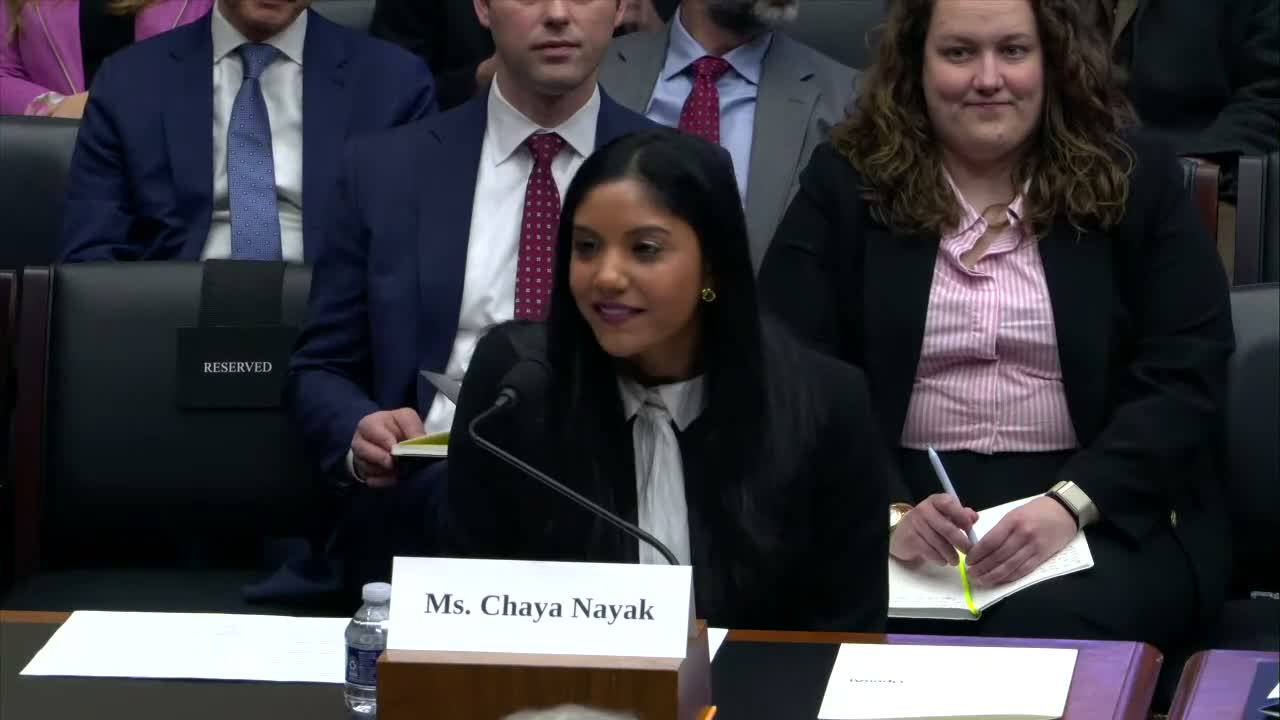
Summary
At the hearing OpenAI announced a goal to certify 10 million Americans by 2030 and outlined a jobs platform to match certified workers with employers; lawmakers asked about psychometric validation, portability of credentials, and how employers will use those signals.
OpenAI told the House Committee on Education and Workforce it plans a large certification program and an accompanying jobs platform meant to help people gain and demonstrate AI skills and connect with employers.
Chaya Nayak, who leads OpenAI’s work on certifications and its jobs platform, framed certification as a two‑part effort: build courses called AI foundations and validate learning with psychometric rigor and employer partnerships. She said the credentialing effort will be paired with a jobs marketplace that “will launch very soon.” She told the committee, “Our goal is to certify 10,000,000 Americans by 2030,” and described partnerships with firms such as Walmart and state systems to adapt training to frontline and office workers.
Members pressed for details on quality controls. Nayak said OpenAI is working with organizations such as ETS to validate outcomes, intends to make credentials portable and interoperable across platforms, and plans rolling assessment models that evolve with technology. Lawmakers asked how the program will stay current as models change; Nayak described using AI to update coursework and continuous assessment so credentials can grow with users.
Several members warned about credentialism and asked who verifies learning. Witnesses suggested a mix of employer involvement, apprenticeship pipelines, and independent verification would be needed; Kevin Frazier and others urged more independent, standardized data collection to evaluate whether credentials translate into better jobs and wages.
The committee asked OpenAI to provide technical details and validation plans for follow‑up; members emphasized that any large credentialing effort must include transparency on assessment methods and equity measures.