Calistoga outlines more than $73 million plan to replace aging water and wastewater infrastructure
Loading...
Summary
An unidentified presenter said the City of Calistoga will invest over $73 million in the next decade to replace near-century-old pipes, upgrade an 85-year-old dam and meet state-mandated wastewater improvements; the city cited $20 million recently secured in grants and loans to offset costs.
An unidentified presenter said the City of Calistoga will invest more than $73,000,000 over the next decade to repair and replace aging water and wastewater infrastructure, citing state mandates and components operating well past their service lives.
The presenter framed water as foundational to the town, saying “clean, safe water flows to our homes, schools, and businesses reliably” and that the wastewater system returns treated water “to the environment or reused for irrigation.” The presentation emphasized that many system components are nearing 100 years old and that the city must meet state-mandated improvements.
City officials argue the upgrades are needed to avoid failures and higher long-term costs. The presenter warned that “without continued investment, aging pipes, tanks and facilities can fail, causing service disruptions, higher long term costs and increased risk to public health, safety, and the reliability of water supplies.”
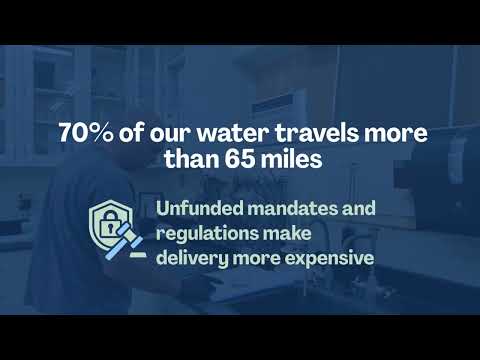
Officials provided asset and scale details: the city operates two treatment plants, multiple sewer lift stations, a dam and reservoir, about 20 miles of sewer collection, more than 40 miles of water mains and pump stations, and roughly 6 miles of recycled water distribution and pumping systems. The presenter also said 70% of the city’s water travels more than 65 miles to reach customers.
The plan lists several project types the city intends to undertake, including dam improvements to an 85-year-old facility (replace the original intake tower and an inoperable drain valve; raise and harden the dam and spillway), state-mandated wastewater treatment plant projects, removing and rebuilding a pump station outside the floodway, replacing aging water and sewer pipelines, and improving water quality through advanced filtration.
The presentation identified Calistoga’s small customer base as a financing challenge: about 1,600 water customers and 1,300 sewer customers share operation, maintenance and replacement costs that the presenter said total more than $10,000,000 in 2026. To limit rate impacts, the presenter said the city is pursuing grants, low-interest state loans and potential bond options and noted that city staff secured about $20,000,000 in recent federal and state funding.
The presenter said the investments should produce fewer service disruptions and more stable, predictable rates over time. No formal vote or ordinance was recorded in the presentation; the message described planned projects and financing strategies rather than a board action or timeline for specific approvals.
Next steps described were pursuit of outside funding and phased capital work; the presenter said the city “has begun to invest” and is pursuing additional grants and loans to stretch ratepayer contributions.