Get Full Government Meeting Transcripts, Videos, & Alerts Forever!
Get email alerts on the Worker Safety topic
No spam. Unsubscribe anytime.
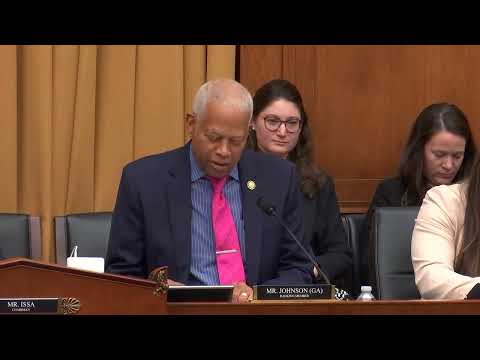
Committee hearing criticized for bill that would shield artificial-stone makers from lawsuits
Summary
At a House Judiciary Committee hearing, an unidentified member warned a bill under discussion would grant "blanket immunity" to artificial-stone manufacturers, potentially barring workers with silicosis from suing and dismissing hundreds of pending cases; the speaker cited the cases of Mitchell and Jacob Boulware.
At a House Judiciary Committee hearing, an unidentified member warned that a bill under consideration would grant "blanket immunity" to manufacturers and suppliers of artificial stone, effectively keeping workers with silicosis from seeking damages in court.
The speaker described silicosis as "an entirely preventable disease" that occurs when workers repeatedly inhale silica dust. "Doctors are seeing patients in their twenties and thirties," the speaker said, adding that some patients need double lung transplants and can no longer work or support their families. The statement framed the hearing as a response to a public-health crisis among stone-fabrication workers.
The witness/committee member said artificial stone — described repeatedly in the hearing as "fake stone" — poses particular hazards because it contains a higher concentration of silica and produces smaller particles that can evade existing workplace safety standards. "There’s no way to use an art a a fake stone slab without cutting into it," the speaker said, arguing the product’s properties accelerate illness among workers.
Turning to the bill itself, the speaker alleged the measure would "give blanket immunity to fake stone manufacturers and suppliers, preventing injured workers from seeking justice in court" and would dismiss "the hundreds of cases pending against these manufacturers." The speaker characterized the bill as a gift to a wealthy ally and said it would "unlevel the playing field" by removing judicial remedies for harmed workers.
To illustrate the human consequences, the speaker recounted the story of Mitchell Boulware, a Georgia resident who has owned and worked at a stone-fabrication shop for more than two decades, and his son Jacob, who began working in the shop as a teenager. Both have been diagnosed with silicosis; the speaker said Mitchell "is no longer able to work" because of shortness of breath and constant fatigue.
The speaker urged preserving workers’ right to sue, saying courts regularly weigh evidence and render judgments on liability. There was no vote or formal committee action recorded in the transcript excerpt provided.