Lifetime Citizen Portal Access — AI Briefings, Alerts & Unlimited Follows
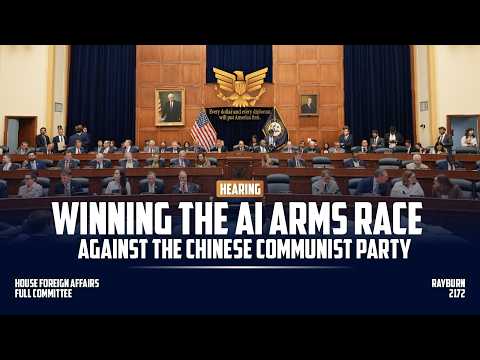
House Foreign Affairs hearing: bipartisan alarm over planned H200 chip sales to China, calls for AI Overwatch oversight
Loading...
Summary
In a Jan. 13 House Foreign Affairs hearing, a bipartisan group of lawmakers and three national-security witnesses warned that licensing NVIDIA H200-class chips to China could boost Beijing’s military and commercial AI capabilities, pressed Commerce/BIS enforcement questions, and urged Congress to pass oversight legislation such as the AI Overwatch Act.
WASHINGTON — Lawmakers pressed witnesses on Jan. 13 over a decision to permit U.S. companies to export advanced AI chips to China, saying the move risks eroding U.S. military and economic advantages and calling for stronger congressional oversight.
“Winning the AI arms race is key to America’s national security and our economic security,” said Chairman Greg Mast in opening remarks, arguing that advanced chips can shift military advantage and that his proposed AI Overwatch Act would give Congress a role in export licensing. He submitted a Bureau of Industry and Security rule released Jan. 13 into the hearing record and asked witnesses to speak to its implications.
Three witnesses — Matt Pottinger, a former deputy national security adviser; Oren Cass, founder and chief economist at American Compass; and John Feiner, a former principal deputy national security adviser — testified that advanced compute is decisive for frontier AI and that licensing H200‑class chips to China risks powering military modernization and enabling commercially subsidized firms to outcompete U.S. companies.
“Selling NVIDIA’s H200 chips to China will supercharge Beijing’s military modernization,” Pottinger said, adding that export controls modeled on foreign‑military‑sales guardrails are appropriate. Cass said denying adversaries access to advanced compute is “a matter of both geostrategic competition and national security.” Feiner warned that China’s policy of “military‑civil fusion” makes civilian/military distinctions difficult to enforce.
Committee members pressed specific concerns: whether Commerce’s licensing review can prevent diversion of chips to military end users, whether a 25% fee proposed for some sales mitigates security risks, and whether allied partners (notably Japan and the Netherlands) are aligned with U.S. export controls. Ranking Member Greg Meeks said public oversight is essential and asked Commerce to provide licensing documents to the committee.
Several members cited recent smuggling prosecutions. Rep. Sherman sought unanimous consent to enter a Department of Justice press release alleging illegal exports into the record; Chair Mast granted that request. Pottinger and Feiner said past cases demonstrate the enforcement challenge and argued Congress should legislate backstops to ensure consistent policy.
Members from both parties also raised related issues: the energy and infrastructure needed to sustain U.S. compute capacity, the risk that reduced U.S. controls would encourage allies to loosen restrictions, and concerns about technology‑transfer patterns that previously allowed firms like Huawei to gain ground.
No formal votes were taken. The hearing yielded a clear bipartisan case for stronger, enforceable export controls and suggested Congress may act to codify oversight and licensing standards. The committee adjourned after members asked witnesses to respond in writing to follow‑up questions and pledged further oversight.
The record: Chairman Mast entered the Commerce/BIS final rule (01/13/2026) into the hearing record; the committee also entered a DOJ press release related to H200 smuggling. Members repeatedly referenced proposed legislation including the AI Overwatch Act and the Enforce Act as possible statutory fixes. The committee expects additional submissions and classified briefings on related topics.