Get Full Government Meeting Transcripts, Videos, & Alerts Forever!
Get email alerts on the College Planning topic
No spam. Unsubscribe anytime.
Plan early, apply for many scholarships and meet financial-aid staff, hosts say
Summary
PHEAA podcast hosts advised students to begin college and career exploration as early as ninth grade, visit campuses (or use virtual tours), build scholarship resumes and establish relationships with financial-aid staff to uncover on-campus opportunities.
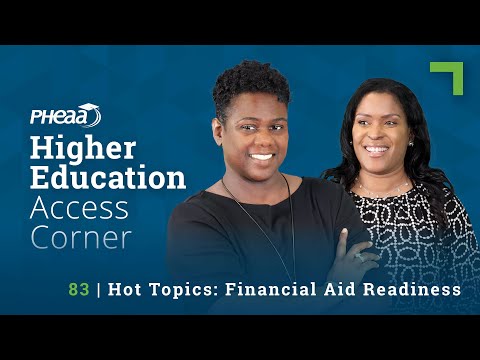
On the Pennsylvania Higher Education Assistance Agency’s Higher Education Access Corner podcast, hosts Tiffany DeVan and Dionna Brown offered practical college-planning advice that they said helps students be "financial aid ready."
Brown told listeners to research school fit, location and academic programs and to use EducationPlanner.org to compare options in one place. She recommended creating an academic scholarship resume that lists clubs, volunteer activities and other experiences to strengthen scholarship applications.
Both hosts urged early exploration: DeVan recommended starting as early as ninth grade to reduce last-minute pressure and to improve alignment between career goals and the right postsecondary program. They also encouraged campus visits or virtual tours and suggested sitting in on classes when possible to assess classroom size and campus culture.
The hosts emphasized the value of engaging financial-aid staff on campus. DeVan said building rapport with aid officers can surface targeted opportunities: "When you know the financial aid folks and they know your needs...you might be the one on the top of the list simply because you've engaged with them," she said.
Both hosts advised applying for many scholarships, including local awards with smaller amounts, because small awards add up and face less competition than national scholarships.
The podcast framed these recommendations as practical, experience-based tips rather than policy directives; no formal changes to scholarship eligibility or institutional admissions were announced.