Get Full Government Meeting Transcripts, Videos, & Alerts Forever!
Get email alerts on the Immigration Enforcement topic
No spam. Unsubscribe anytime.
Residents press Downey council for action after ICE incidents; council pledges workshops but cites legal limits
Summary
After social-media videos of immigration-enforcement encounters, more than 30 Downey residents urged the council for stronger protections, legal support and a town-hall; the council committed to more "Know Your Rights" workshops and will send letters to representatives but said local law limits direct interference with federal agents.
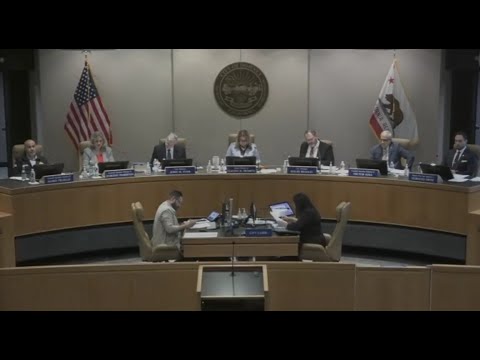
A steady stream of emotional public testimony on Jan. 13 put immigration-enforcement tactics at the center of the Downey City Council meeting, where residents recounted videos showing federal agents detaining community members and demanded immediate local action.
Several residents described being frightened or having family members in danger; one man, Victor Correa, told the council he was pointed at with a weapon by federal agents during an incident that prompted viral video coverage. "I was pointed a weapon at me on Saturday by federal agents," Correa said. Multiple speakers called recent detentions "kidnappings," a description used on the dais by Council Member Mario Trujillo, who said some tactics appear to violate constitutional protections.
Council and staff response: Mayor (name not specified) said the city will "not stay silent" and urged residents to continue peaceful protest and advocacy; Mayor Pro Tem Horacio Ortiz and Council Member Pemberton asked staff to document events and to send formal letters to state and federal representatives. The city manager and city attorney repeatedly told the audience that state and federal law limit what local police can do during federal enforcement operations. "We cannot, legally, help or hinder the enforcement actions that are being conducted," the city manager said, and the city attorney outlined the Brown Act procedures that permit clearing the chambers if a meeting is willfully interrupted.
Requests from the community: Speakers urged concrete steps: increased funding for legal aid and food banks, continuing Know-Your-Rights workshops, a town hall dedicated to immigration enforcement, and better verification that officials at incidents are actual federal agents rather than copycats (residents asked police to offer public verification when they respond). Several residents praised community members who recorded incidents and asked the council to recognize or honor those actions.
Outcome and next steps: The mayor proposed and the council supported allocating additional funds for legal-information workshops and public education; staff indicated the item will be agendized for future council consideration. The police chief (unnamed in the transcript) said officers will respond to calls and make efforts to verify who is on scene, but reiterated that the department cannot legally obstruct federal enforcement without risking criminal exposure.
Why it matters: Residents described immediate fear in a city with a large Latino population; speakers asked the council to translate statements of support into sustained programs and funding for legal assistance, outreach and local protections that fall within municipal authority.