Get Full Government Meeting Transcripts, Videos, & Alerts Forever!
Get email alerts on the Budget topic
No spam. Unsubscribe anytime.
Lewiston budget review spotlights proposed police take-home vehicle program and fiscal concerns
Summary
During review of the FY27 LCIP on Jan. 12, staff outlined a proposal to add take-home vehicles to improve recruitment; board members pressed for data on fleet counts, replacement timing, costs and debt impacts ahead of a fuller presentation to council on Jan. 20.
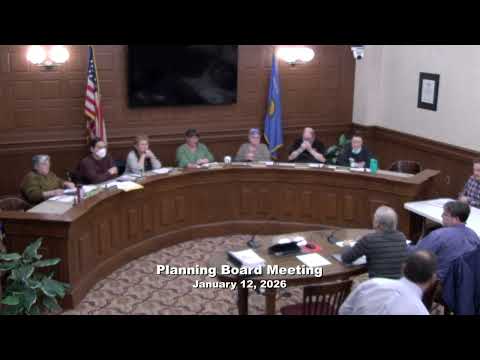
City staff and Planning Board members spent a substantial portion of the Jan. 12 meeting probing the City’s draft FY27 Capital Improvement Plan, focusing heavily on a proposed police take-home vehicle program.
On the record, staff presented the proposal’s stated goals: to support recruiting by making Lewiston a more attractive employer and to reduce vehicle downtime. The LCIP lists a full fleet of 65 vehicles (45 patrol, 20 administrative) in the proposal; members questioned whether the request represented a one-year full replacement or a phased program. A board member who reviewed the figures noted an average per-vehicle outfitting cost in the packet of roughly $70,000–$80,000 and observed that the total line in the plan equated to about $5 million.
Staff said the program could reduce long-term replacement costs because take-home cars accrue fewer mileage hours in municipal service; staff estimated a five-year savings of roughly $200,000 compared with the existing replacement schedule, and forecast longer mean time between replacement cycles (from current 2–3 years to 7–8 years per vehicle under the take-home model).
Board members pressed for additional detail before recommending any LCIP change or cut: they asked for the current fleet size and age distribution, mean time between failure or replacement, the recruitment gap the program is intended to close, and whether the program could be phased to spread capital impact across multiple years. Members raised broader fiscal questions about the LCIP and the city’s debt limits, noting large projects in the packet (Riverfront Island implementation and school facility items) and asking staff to provide an updated debt projection showing the city’s 80% debt-threshold calculations.
City staff committed to provide a fuller presentation to the City Council and to the Planning Board on Jan. 20 (Chief Conner to attend) with the requested operational data. The Planning Board asked each member to come to its next meeting with three proposed LCIP cuts so the board can prepare recommendations for the council.