Get Full Government Meeting Transcripts, Videos, & Alerts Forever!
Get email alerts on the Governance topic
No spam. Unsubscribe anytime.
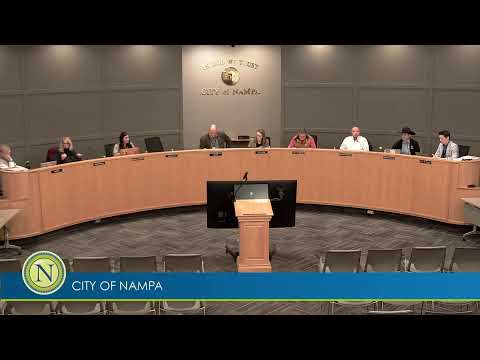
Council debates enforceability of proposed code of conduct, remote participation and reporting duties
Summary
Council members debated whether a proposed code of conduct should be binding, how enforcement would work, whether reporting obligations should be mandatory or discretionary, and whether remote participation should require video for quasi‑judicial hearings.
Council devoted a substantial portion of the workshop to a proposed code of conduct/bylaws and several procedural questions about remote participation and reporting alleged violations.
Some council members said they would not support signing or adopting the code absent an enforcement mechanism or supporting bylaws. Councilman Griffin said the word “unexcused” should be changed to “unnotified” for attendance language, and he recommended removing requirements that constrain remote participation to approval by the presiding officer. Several members urged softening mandatory language: replacing binding “shall” requirements with “should” or “may” to preserve discretion and avoid overcriminalizing internal oversight.
Remote participation and quasi‑judicial items drew particular scrutiny. The mayor and legal counsel argued that remote participants should be visible on video for quasi‑judicial or public‑hearing items so applicants know their undivided attention is being afforded; other members pushed back, preferring more flexible notice and accommodation rules. Council also discussed annual reaffirmation or post‑election review of the code to ensure new members have input.
Why it matters: The bylaws will govern decorum, recusal and confidentiality expectations in executive session; the balance struck between binding rules and recommended practices will determine how disputes and alleged violations are handled and whether enforcement becomes a formal process.
Next steps: Preston will redraft the language to reflect council feedback (soften some 'shall' language, set a 24‑hour courtesy notice for attendance, require video for remote participation on quasi‑judicial/public‑hearing items) and return the revised draft for formal consideration.