Get Full Government Meeting Transcripts, Videos, & Alerts Forever!
Get email alerts on the Federal Budget topic
No spam. Unsubscribe anytime.
Rep. Moore urges budget process overhaul, warns Social Security trust fund faces 2033 shortfall
Summary
Representative Moore argued that a narrow legislative window (reconciliation) and process reforms such as a Fiscal Commission and a comprehensive annual congressional budget vote are needed to curb rising interest costs and mandatory spending growth; he warned Social Security’s trust fund could be exhausted by 2033 and urged bipartisan engagement.
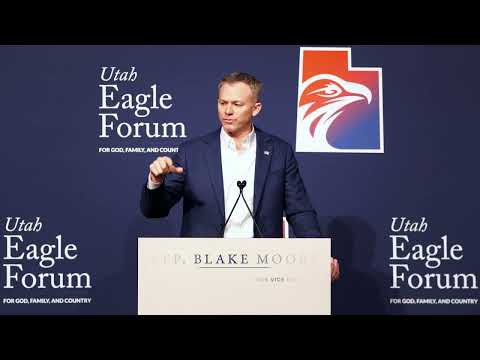
Representative Moore urged lawmakers to seize what he described as a narrow window to address the federal debt and deficit, saying Republicans now have “1 to 3 opportunities to do what’s called a reconciliation bill, where we bypass the senate filibuster and, pass legislation basically on party line votes.” He framed the moment as similar to prior periods when single‑party control enabled major fiscal legislation.
Moore said interest costs and mandatory spending now dominate the federal budget and argued Congress must change its process to regain control. “Interest that we’re paying on the debt … is growing very rapidly,” he said, and called net interest one of the fastest‑growing budget lines. Using a pie metaphor he described Social Security, Medicare and defense as the largest, relatively untouchable slices, with interest and other mandatory programs leaving limited room for new discretionary choices.
On Social Security, Moore warned of a concrete timeline: “In 2033, that trust fund will deplete and everyone’s benefits will be cut by 24%,” he said, presenting the depletion year as a key fiscal risk that requires timely action. He characterized demographic shifts and rising health‑program obligations as drivers of that gap and urged reforms to slow mandatory‑spending growth.
To change how Congress addresses those pressures, Moore highlighted two process reforms he supports. First, he advocated a Comprehensive Congressional Budget Act — a measure he said would force Congress to vote annually on the entire budget. Second, he described the Fiscal Commission Act, which “will force Congress to do a lot of what I’m talking about, put everything on the table,” and said the Fiscal Commission bill had been passed out of the Budget Committee but ran into stakeholder opposition on the floor.
Moore said the Budget Committee’s internal plan, called “Reverse the Curse,” is a 10‑year blueprint to identify waste, fraud and abuse and to impose spending caps. He noted pushback from groups such as AARP and the involvement of think tanks and advocacy organizations he named during his remarks.
He also contrasted recent major federal laws: the 2017 Tax Cuts and Jobs Act (which he described as pro‑growth and pro‑family) and the 2021 American Rescue Plan and Inflation Reduction Act (which he described as large spending packages). Moore argued those differences illustrate policy choices about growth, revenue and inflation and said tax policy to extend prior provisions and incentivize onshore investment will be a focus this year.
Moore recounted discussions about the debt ceiling and outreach with party leaders, telling the audience he had met with other officials to press for spending caps tied to any increase in the debt limit. He closed by citing an example he called the “Lincoln Riley Act,” noting it passed the House but was not taken up in the Senate, thanked attendees and yielded his time to the next introducer.
No formal motions or votes were taken during Moore’s remarks; he delivered a policy overview and urged legislative process changes as the primary path to address long‑term fiscal pressures.