Utah to require statewide registration of massage establishments under HB 278 to target illicit operations
Loading...
Summary
Utah Department of Commerce officials announced implementation steps for HB 278, a 2025 law that creates a state registration for massage establishments, requires background checks for owners, and expands inspection powers to shut down illicit businesses tied to human trafficking.
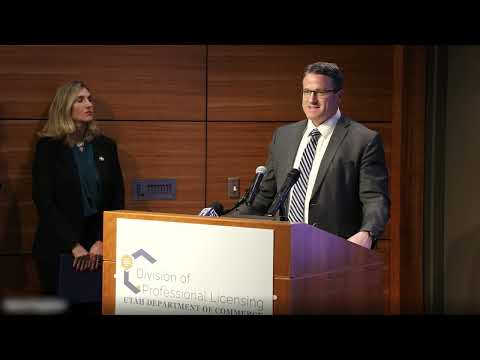
Utah officials on Jan. 11 announced steps to implement HB 278, a 2025 law that will require massage-establishment registration statewide and give regulators new tools to shut down illicit operations that department officials say are often linked to human trafficking.
Margaret (Executive Director, Utah Department of Commerce) said the law shifts enforcement from individual practitioners to establishments and will allow the department to "target the true architects" of illicit massage operations. "There are roughly 195 of these illicit massage establishments in the state of Utah," she said, adding that the businesses are visible in strip malls and neighborhoods and that many workers "are being trafficked and exploited by the owners and criminals running the businesses."
Why it matters: Department and law-enforcement officials said illicit massage businesses undermine the safety and reputation of licensed massage therapists, create risks for consumers, and often involve exploitation. Chief Brian Red of the Salt Lake City Police Department urged exploited workers to come forward and said law enforcement will pursue organizers: "We will hold you accountable."
What HB 278 does: Director Mark Steiningle of the Division of Professional Licensing outlined the law's main elements. HB 278 will require massage establishments to register with the state and will require criminal-history background checks for owners and other key individuals who hold at least 10% ownership. The law also requires establishments to attest they are not engaging in illicit activities.
Expanded inspection powers: The department said the statute grants robust inspection authority of premises and includes unlawful-conduct indicators (for example, housing or harboring individuals, refusing to provide identification, offering services that involve disrobing or sexual contact, and advertising illicit acts). Inspectors may coordinate with law enforcement; officials said resisting or locking doors to prevent inspections is unlawful under the new authority.
Consumer protections and compliance: Officials said the department will require registration signage at the front of registered establishments that lists worker licenses and provides information on reporting suspected human trafficking and filing complaints. The division plans to publish registration forms and guidance in early spring and is opening a public comment period on the implementing rules.
Priorities for inspections: Steiningle said inspections will be risk-based. Legitimate businesses that meet registration and documentation requirements should face fewer inspections; complaints, suspicious registration documents, or matches to external advertising sources will increase inspection frequency. He described a forthcoming integrated lookup tool so consumers can verify both individual licenses and whether an establishment is registered with the state.
Scale and workforce context: Officials said about 6,000 massage therapists hold licenses in Utah; many are solo practitioners and are not the focus of the establishment registration regime. The department emphasized the goal of protecting legitimate practitioners while using administrative authority to close operations when criminal convictions are not required to suspend or deny establishment registration.
Next steps: The department filed rules that will open for public comment and plans to post registration forms and compliance materials in early spring to help lawful businesses meet the new requirements. Officials asked members of the public to report suspicious activity to their local law enforcement agency or by filing a complaint with the Division of Professional Licensing.
The announcement concluded with a public warning to operators of illicit businesses: "Get out of town. Get out of our state," Margaret said. Chief Red closed with a public appeal to victims, saying authorities and community advocates can help those who come forward.