Get Full Government Meeting Transcripts, Videos, & Alerts Forever!
Get email alerts on the Consumer Protection topic
No spam. Unsubscribe anytime.
Speakers warn of holiday surge in bank-impersonation scams; don’t give passwords
Summary
Unidentified speakers warned that scammers are increasingly impersonating banks by email, text and mail during the holidays and using AI to make messages look authentic; they said banks do not ask for passwords and urged consumers to refuse requests for login information.
S1 (Unidentified speaker) warned that bank-impersonation scams tend to rise around the holidays and now come through multiple channels, saying, "We do see a lot of the bank impersonation scams." The speaker said scammers send emails, texts and even mail that impersonate banks and ask people to do things they normally would not do.
S1 described the most common request as attempts to obtain passwords or login information, noting that "Very common is asking for passwords, asking for login information, right?" The speaker added that advances such as artificial intelligence have made those communications "very real," increasing the risk that recipients will be fooled.
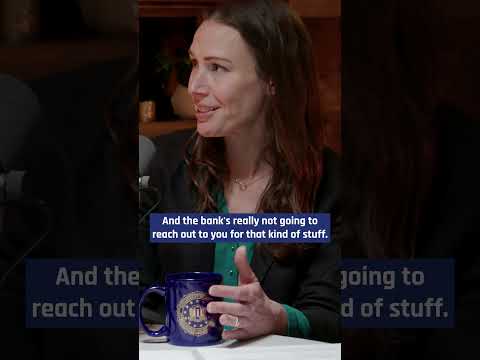
S2 (Unidentified speaker) advised consumers that legitimate banks typically do not request passwords or login credentials by phone, text or email, saying, "And the bank's really not gonna reach out to you for that kind of stuff." The speaker noted that holiday shopping raises the number of transactions and that a call warning of "strange purchases" can seem believable when people are buying gifts.
The speakers urged vigilance during the holidays: do not provide login credentials or passwords in response to unsolicited messages, verify contacts through official bank channels, and treat messages that pressure immediate action as suspicious. No formal actions or agencies were named in the transcript.