Lifetime Citizen Portal Access — AI Briefings, Alerts & Unlimited Follows
FBI financial-crime specialists warn of holiday scams, urge rapid reporting to IC3
Loading...
Summary
FBI Financial Crime Section representatives outlined common holiday scams — from bank impersonation and fake charities to romance and employment schemes — and urged victims to report quickly to the Internet Crime Complaint Center (IC3) and their banks to improve chances of recovery.
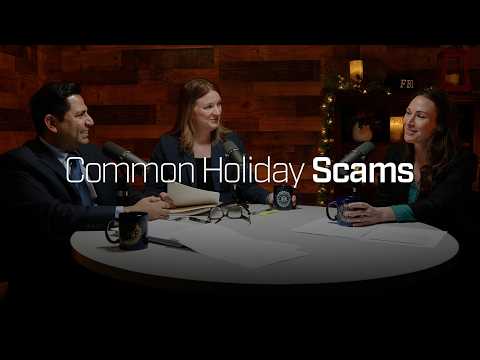
WASHINGTON — Representatives of the Federal Bureau of Investigation's Financial Crime Section on a public advisory warned consumers that scammers exploit holiday giving and seasonal shopping to carry out increasingly sophisticated frauds and urged rapid reporting to the Internet Crime Complaint Center (IC3). "Scammers who will go to extraordinary lengths to try to trick and deceive us," one FBI representative said, noting that criminals are using more realistic messaging and new tools to impersonate banks and legitimate charities.
The FBI officials described a range of common schemes. Bank-impersonation fraud often arrives by email, text or mail and may ask victims for login credentials or claim an account has been compromised; in some cases, fraudsters request that a victim hand a credit card to a courier for “safekeeping.” The speakers said such outreach is rarely legitimate and warned listeners not to provide passwords or card numbers.
Charity and merchant scams spike around the holidays, the representatives said. Fraudsters may set up polished websites and social-media ads or post urgent appeals in online groups; victims who donate or buy from these operations can lose money and personal data. "Research that charity" was the practical advice offered: consult charity evaluators (for example, Charity Navigator), the Better Business Bureau and IRS disclosures rather than relying solely on a slick website.
Romance scams and false employment postings were also highlighted. Romance fraud typically begins with gradual trust-building and can lead to victims sending large sums or mortgaging homes, the speakers said. Employment scams can enlist job-seekers to open accounts or companies used for laundering (so-called money-mule schemes) or require payment for access to fake hiring platforms.
Gift-card schemes remain a favorite because they erase financial trails: thieves either drain a card after its code is provided or demand payment by gift card to avoid bank-to-bank traces. "Once that number has been sent to the criminal, it's impossible to get those monies back," one representative said.
On where and how to report, the FBI representatives urged victims to file complaints at ic3.gov (the Internet Crime Complaint Center). They said that for certain wire transfers reported within approximately 72 hours investigators may try to recover funds, though recovery is not guaranteed and depends on payment method and timeliness. Victims should also notify their banks and consider placing fraud alerts or credit freezes with credit bureaus.
The representatives recommended preserving all communications with the scammer and stopping further contact; saved messages and transaction details help investigators and can be aggregated to identify broader scam networks. They also pointed listeners to federal resources for older adults and communications-related complaints: the Department of Justice's elder-fraud resources (National Elder Fraud Hotline) and the Federal Communications Commission's consumer-complaint processes for fraudulent calls or texts.
The FBI closing message: anyone can be targeted — report quickly, keep records, and use reputable verification tools before donating or buying. The advisory concluded with a reminder that scams adapt to seasonal themes, so vigilance is needed beyond the holidays.