Get Full Government Meeting Transcripts, Videos, & Alerts Forever!
Get email alerts on the Housing Affordability topic
No spam. Unsubscribe anytime.
Port Richey council weighs changes to $5,000 residential grant to help lower‑income homeowners
Summary
Council debated whether the $5,000 residential grant should remain a reimbursement or allow direct payment to contractors for homeowners who cannot front costs; staff warned direct payment increases procurement workload and legal exposure, and council directed staff to draft a low‑income exception policy and return with options.
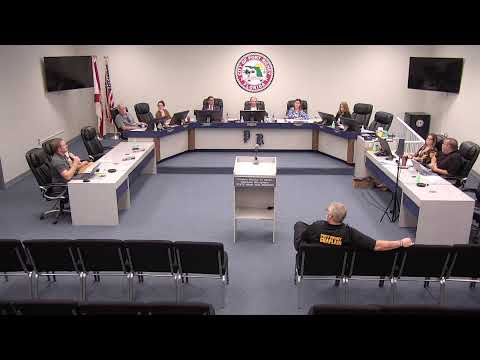
Council members and staff debated changes to the city’s residential grant program, which awards up to $5,000 per household for exterior improvements and currently operates on a reimbursement model. Staff said the program budget is $100,000 annually; this fiscal year the program awarded 10 grants and had approximately $35,339.60 in unassigned funds at the time of discussion.
A staff member said the CRA can pay contractors directly, but doing so makes the CRA the procuring party and brings added legal exposure and staff workload for contracts, inspections and procurement compliance. "Yes. The answer is yes," the staff/legal briefing said when asked whether the CRA could pay contractors directly, but it immediately added that direct contracting requires additional oversight and contract management.
Don King, the city manager, said he preferred keeping the existing reimbursement approach and pursuing narrow exceptions for households that cannot afford the upfront payment. "Let them do the bids. Let them pay for the work, and then let them get reimbursed after the fact," King said, arguing the current model shifts civil disputes between homeowner and contractor away from the city.
Council members raised equity concerns, saying wealthier households that can front the $5,000 are disproportionately using the program and that the poorest homeowners remain unable to access funds because they cannot pay contractors up front. Members asked staff to draft a targeted policy option that would allow exceptions or a separate affordable‑housing track—examples discussed included city contracts with vetted, licensed contractors for qualifying applicants, third‑party nonprofit intermediaries to bridge upfront costs, or a small‑scale direct payment model with legal safeguards (escrow, three‑bid verification, liens if work is incomplete).
No final vote was taken. Council directed staff to prepare a refined program—either an exception to policy, a separate subset program for low‑income residents, or alternative public‑private mechanisms—complete with rules, procurement thresholds, inspection protocols and budget implications for the council’s future consideration.