Citizen Portal

Witness to Helsinki Commission: Russia’s attacks have shifted energy security from market problem to military threat

Commission on Security and Cooperation in Europe (U.S. Helsinki Commission): House Commission · January 15, 2026

Get AI-powered insights, summaries, and transcripts

Subscribe
AI-Generated Content: All content on this page was generated by AI to highlight key points from the meeting. For complete details and context, we recommend watching the full video. so we can fix them.

Summary

An unidentified witness told the U.S. Helsinki Commission that Russia’s tactics have escalated from market manipulation to direct attacks on energy infrastructure—citing Nord Stream, Gazprom, cyberattacks and strikes on Ukraine—and urged treating energy security as a defense issue.

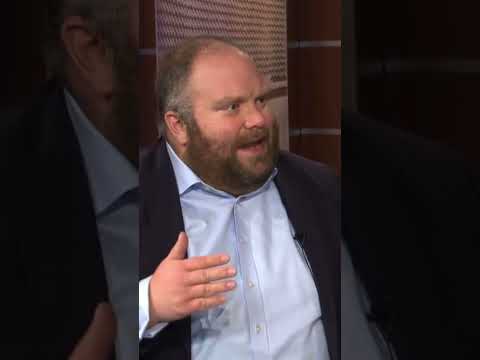
An unidentified speaker told the Commission on Security and Cooperation in Europe that Russia’s actions in Europe have "moved from kind of that hybrid space up to just war," asserting that the Kremlin has escalated beyond economic coercion to direct attacks on energy systems.

The witness traced an arc from what they described as a decade-plus pattern of Russian market leverage—"10 to 15 years ago" using monopolistic tactics through Nord Stream and Gazprom—to more recent campaigns of cyberattacks and conventional strikes on civilian energy infrastructure. "We were focusing our efforts to help Europe support its own policies on diversification away from Russian over dependence on natural gas," the speaker said, citing European policy responses such as the EU’s Third Energy Package, the Energy Union concept and the REPowerEU plan.

The speaker described a two-track threat: hybrid and cyber operations targeting critical infrastructure, and conventional military strikes that have battered Ukrainian energy systems. "We're seeing, obviously, the pinnacle of energy security threats in Ukraine," the unidentified speaker said, adding that those strikes are increasing "humanitarian chaos" and energy insecurity despite Ukrainian resistance.

Turning to a wider regional concern, the speaker warned that similar sabotage—"cable cuts [and] pipeline attacks"—is emerging across NATO territory, both onshore and offshore. They argued this pattern shows the problem is not solely market or infrastructure policy but part of a broader military campaign. "That's why we really need to get out of our comfortable policy world where we've been talking about markets and infrastructure development and really bring it into the Pentagon sort of context," the witness said, framing the attacks as part of "Russia's military campaign against us."

No formal actions, votes or specific policy commitments were recorded in the transcript excerpt provided. The statement concluded with the recommendation that U.S. and allied policy treat energy security measures as integrated with defense planning rather than only with market and infrastructure policy.

The testimony steered clear of specific legislative proposals in the excerpt; the speaker named EU policy tools and described the scale and type of attacks but did not cite statutes, resolutions or a particular bill for immediate action. The Commission record should be consulted for any fuller exchange, questions from members, or staff follow-up.